
Ymir’s Corpse Interviews is a Scandinavian Aggression initiative in which Rowdy Geirsson picks the metaphorical cloud-matter of authors, artists, and other creators whose works are based on or inspired by the old lore of the Northlands. This time around we have Esko Salow. Esko is the drummer of the folk metal band, Fejd. Pronounced like “Fade” in the English language, Fejd means “Feud” in Swedish and was founded in the city of Trollhättan in 2001. Since then the band has released seven albums and played at such festivals as Hellfest, Månegarm Open Air, Sweden Rock, and Wacken. Their eighth album is presently in the works and is slated for release later this year, which will also celebrate the band’s 25th year since forming.
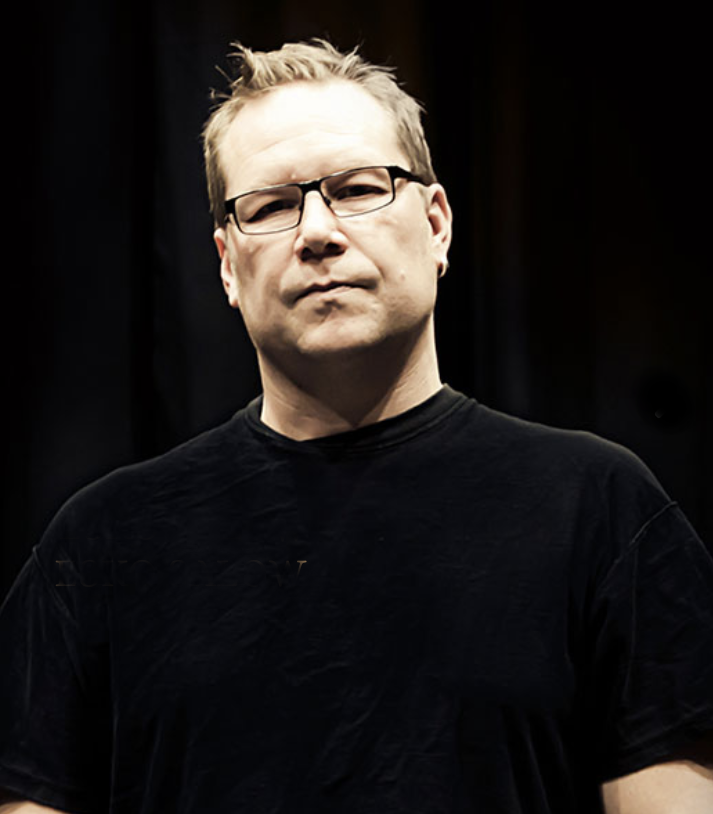
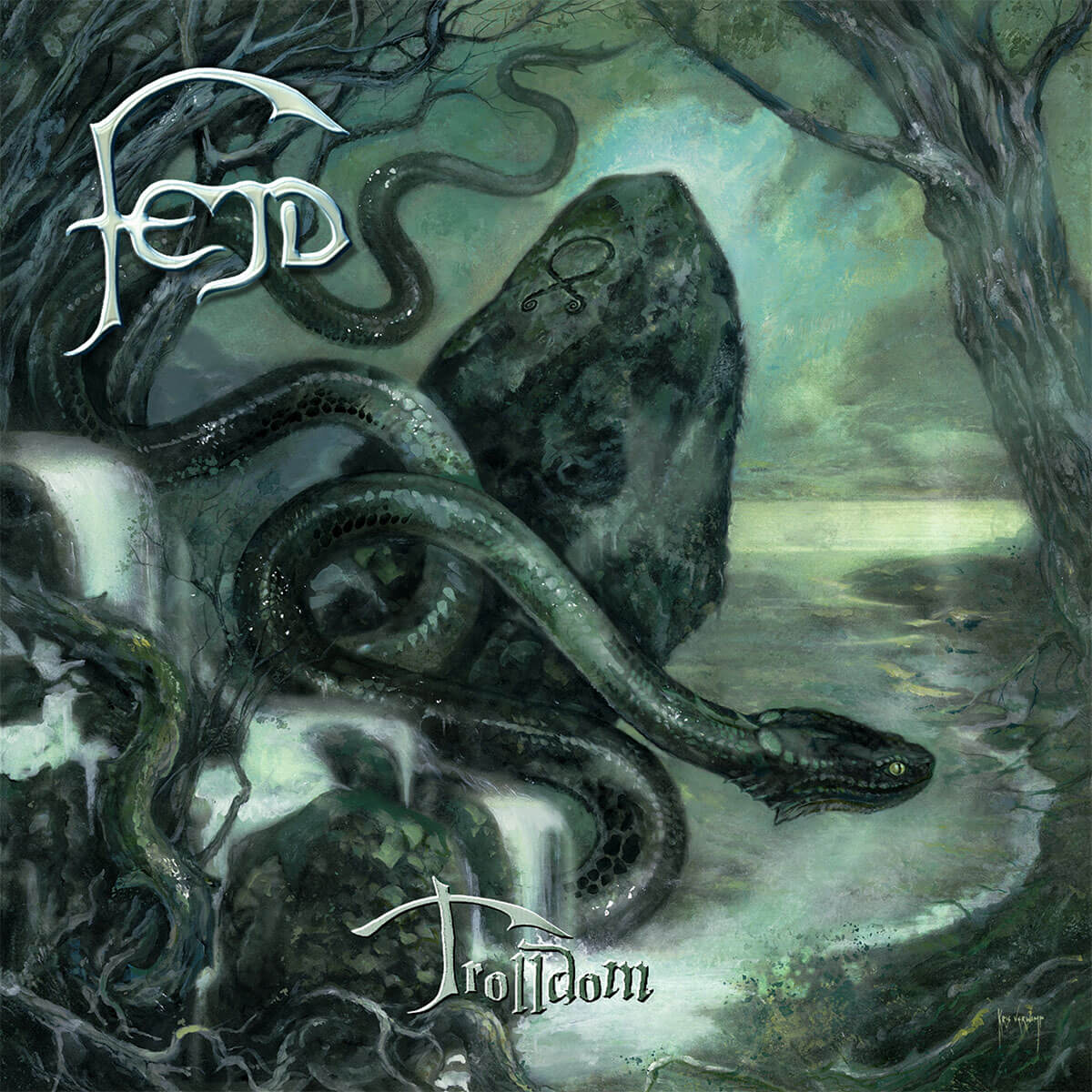
RG: So Esko, welcome! This is quite a pleasure for me to get to chat with you a bit about Fejd. I know we’ve corresponded a bit in the past, but only in very brief messages over social media. I’ve been a big fan of Fejd since I first came across the EP, Eld, nearly twenty years ago. And so I’m naturally excited also to learn that there is a new album in the works, the first since Trolldom. And we’ll get to that later, but first I thought I would ask about how the band actually formed? I know from the Fejd website that all the members of the band already knew one another and a decision was made for the folk music oriented Rimmerfors brothers to join with members of the metal band, Pathos, to start a new band which became Fejd. But how did this come about? Did everyone just meet up over a beer and start talking and decide this was a good idea? Was everyone involved looking to do something new and just happened to be in the right place at the right time?
ES: This was one of those things that we talked about a hundred times but never seemed to happen. It actually took a couple of tries before it ended up as something serious. Before it became Fejd, there was another drummer, then Thomas [Antonsson] joined with bass but quit again. After that I met Patrik [Rimmerfors, responsible for lead vocals and a variety of traditional instruments] in town and we decided that this time it’s time to make something more than words about it. So we did some small gigs with just me, Patrik, and Niklas [Rimmerfors, responsible for the moraharpa and back-up vocals] at some birthday parties or something. At that time I didn’t use a drum kit, more a type of shaman drum or ”troll drum” as we said. I convinced Thomas to regroup and rehearsed a couple of times before we decided that we wanted keyboards to amplify the atmosphere. So, we contacted Lennart [Specht] and asked him to join us. At first we didn’t meet that often, just occasional jams. Me and Thomas (and somewhat Lennart) were quite busy as we played with both Pathos and Nostradamus at the same time. But things went on, and we found a style we liked.
It was all really playful from the beginning. We all wanted to paint outside of the frame, push the boundaries of what was accepted. We were quite tired of the boundaries we faced in the metal industry of what was considered right or wrong, we just wanted to play and have fun…so, at first it wasn’t meant as anything serious, just fun. And the reason we started recording anything at all was just a way to finalize a song and start something new. The first recordings ended up being our first EP or demo. We started putting songs on Myspace and noticed that we actually got fans from all over the world, so we just continued putting out new music, recorded it, and put it out on the internet. So, when we got to the point of our first full length album, the intention had not originally been to make an album; it was to record a bunch of songs at one time and then to put everything on MySpace with a couple of weeks between. But we got signed.
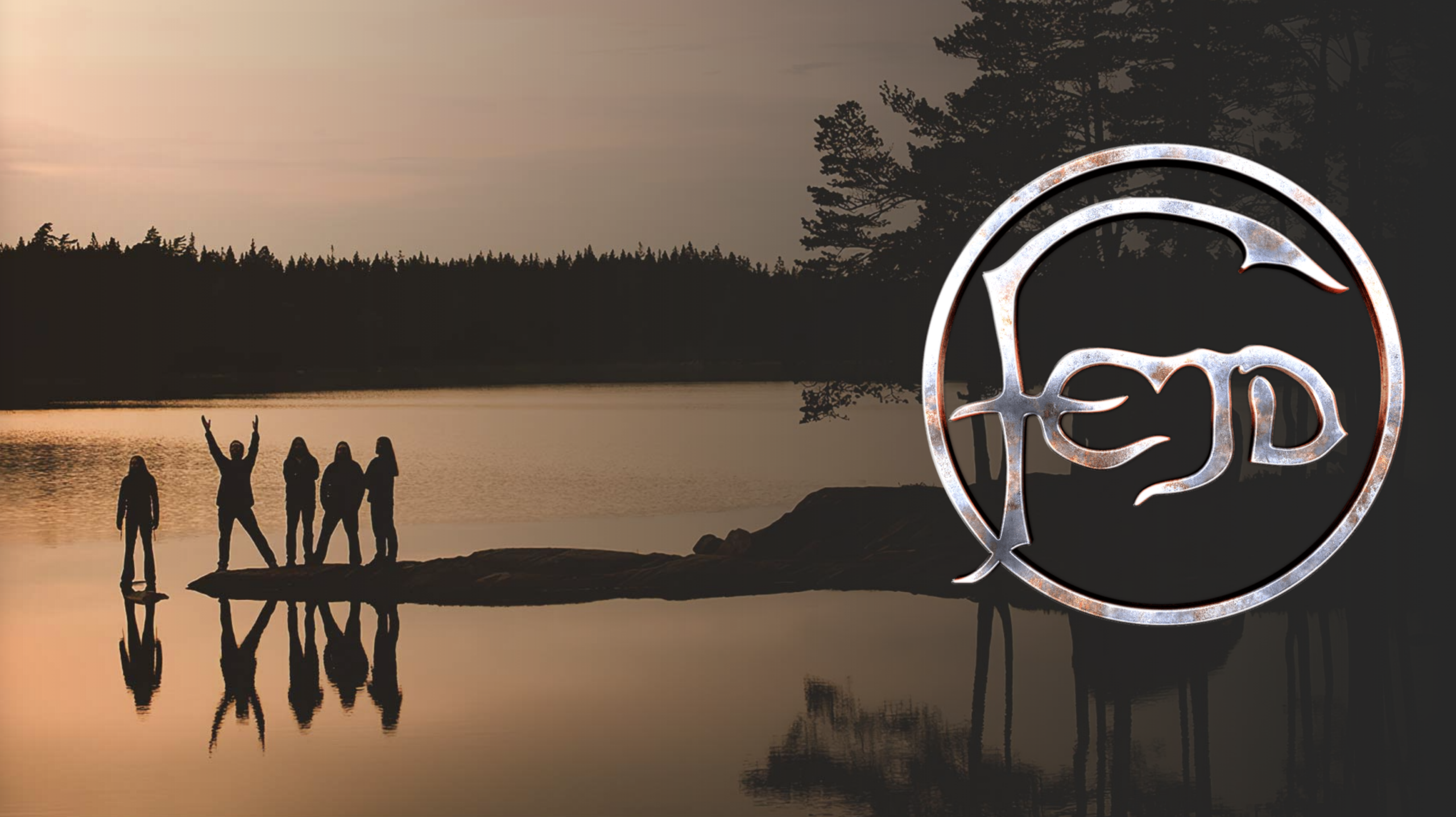
RG: That’s interesting the band was first uploading songs to Myspace, and in a way, as I think about it, not surprising given that was both part of Myspace’s original purpose and also matches the timeframe when I first came across the band. I was prowling around on Myspace myself in those years, and so that’s probably where I first came across Fejd. Though I don’t remember the precise details, the pieces fit. But getting back to the band’s sound—you said you all found a style you liked and wanted to push the boundaries. So, how did that come about? Did everything “click” in place right away (as we like to say in English) as soon as everyone started playing together? Or was it something that had to be felt out gradually bit by bit?
ES: At first our sound was much more folk, but the more we played, the more metal elements were added to the mix. For me, I wasn’t really sure how I should play because I was trying so hard to not make it too heavy. But then Patrik convinced me to play my natural style and that really turned the foundation to something more metal than I expected from the beginning.
As soon as we decided to play as we wanted, and not according to rules, everything felt natural. And we still have songs and ideas from the beginning of the millennium that we haven’t recorded yet. We even have songs from when Patrik and Niklas were twelve years old that start to appear amongst our ”new” songs, and one of them is actually on our new album. After the first couple of sessions as a complete band, we just play. Anyone is welcome with ideas or suggestions about arrangements, but we never change anything because it’s considered wrong musically. If it feels right, it is right.
RG: So since you mentioned it, I have to ask: which song on the new album is the one that Patrik and Niklas wrote when they were only twelve?
ES: It’s actually the title track, Nifelheim. The track is obviously very different from how it was all those years ago, but we still kept a whole lot of it, and for us who know how it sounded the resemblance is clear.
RS: That’s really cool the band can pull together something from its own past like that and adapt it so it works in a project much later in time. I guess it’s largely about having everything fit into a cohesive whole and knowing when and when not to include something. So, how did the band decide on its name of Fejd? It’s definitely an apt name especially when we think of all the feuds that are mentioned in the old stories but is there a backstory to the band’s name itself?
ES: We had other names we talked about. But Fejd was short, Swedish, and suited the temperament of us. It was so easy that we had to laugh when the idea came up.
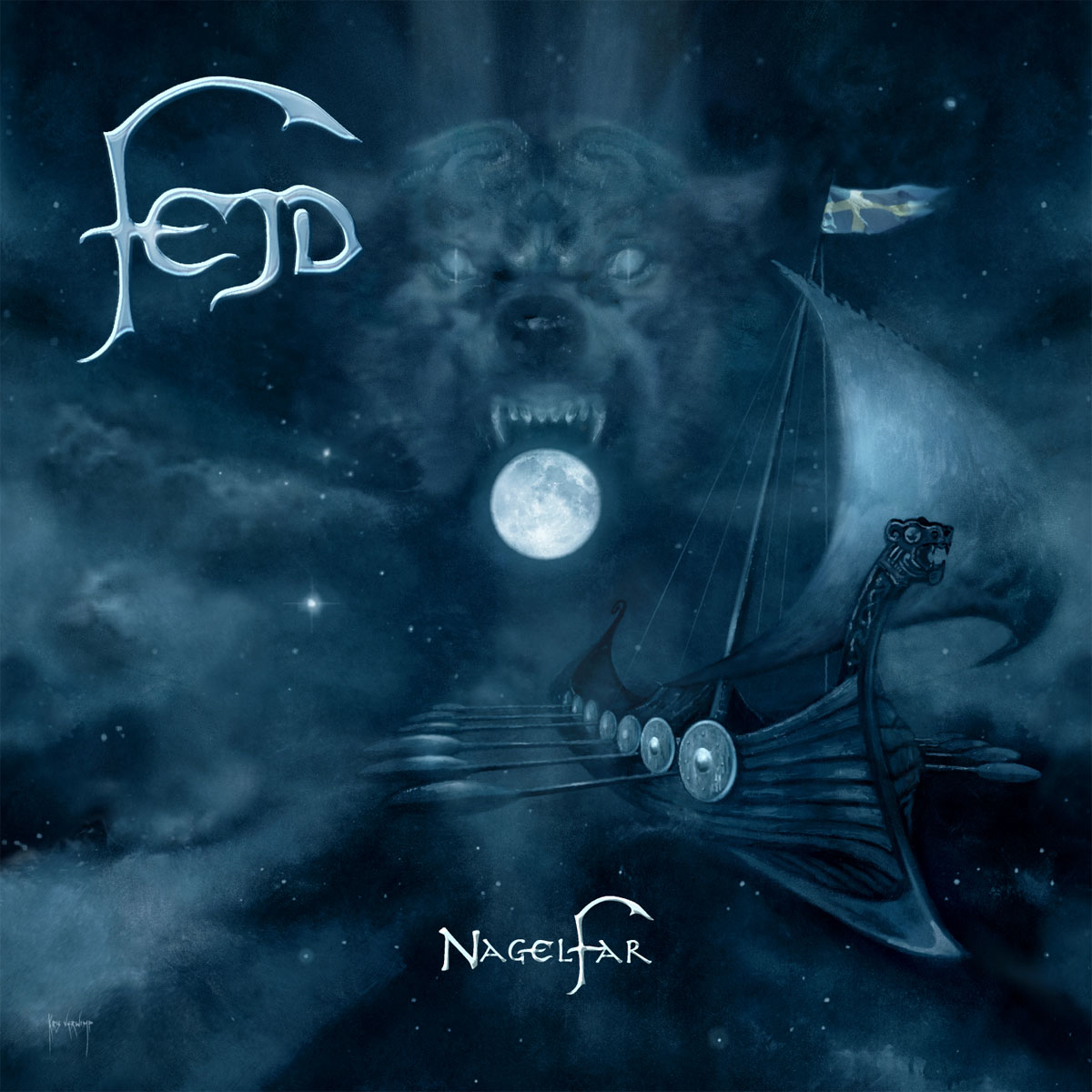
RG: Well said. I also wanted to ask about Fejd’s lyrical content. I think it is unique among folk/viking metal (and non-metal) bands because the songs tend to deal with the mystical side of Swedish folklore and spiritual beliefs of various eras as well as things that are much more overtly related to the epic battles, ancient warrior culture, etc. of the pre-Christian era. Other bands I am familiar with—at least those that are coming to my mind at the moment—tend to thematically focus either on ancient spirituality/culture/nature or on battles/warrior culture/going to Valhalla or experiencing some form of the Old Norse afterlife, etc. But Fejd has songs that cover the full range of those themes and deal with folk beliefs that persisted into relatively modern times such the huldra in Huldran but also more ancient folk beliefs like that found in the diserna [Swedish for the disir, Old Norse female spirits] mentioned in Den skimrande as well as songs dealing with things like the ship of the dead in Naglfar, the killings involved with Sigurd Ring’s grim wooing expedition and, of course, the bloodbath instigated by Ingjald Illråde. So I guess the question is: how would you describe Fejd’s overall thematic inspirations? What ties it all together?
ES: I guess we like everything that is somehow connected with our past. All types of beings that have that connection to old folklore or sagas. I find it hard to believe, when you sit by a lake a summer’s night or are in the forest, that we are actually alone. Maybe we’ve lost the ability to see what’s around us in the modern world, but sometimes you can really sense something; that you’re not alone. I find it kind of magical.
RG: That is a much more succinct and effective way of putting it than I managed with my rambling question! So getting to that notion of all beings connected to the past—are there any specific concepts or sagas or poems that are especially inspirational to the band, that the band returns to more than others for inspiration?
ES: Maybe not directly the sagas, but in Old Norse, the Divination of the Völva [Völuspá] is very tangible. So are the norns; the web of fate, the threads of life.
RG: That makes sense, just thinking about some of the song titles themselves and the relation to female deities or earthly/fate-oriented nature they have. Now, to change topics a little: as I think you know, I along with my good friend, Matt Smith, were fortunate enough to be able to see Fejd perform live at Månegarm Open Air in 2023. And I specifically I remember another fan in the audience telling us that it was something of a special occasion because Fejd doesn’t perform live very often, which I think we already realized on some level, but it took on a new significance when an actual Swedish fan told us this. At the same time, I know the band has traveled to festivals around Europe to perform, although it doesn’t seem like Fejd does focused months-long tours the way some bands do. So how has the band found the festival experience to be? Are there any favorite memories from any of the festivals the band has played at?
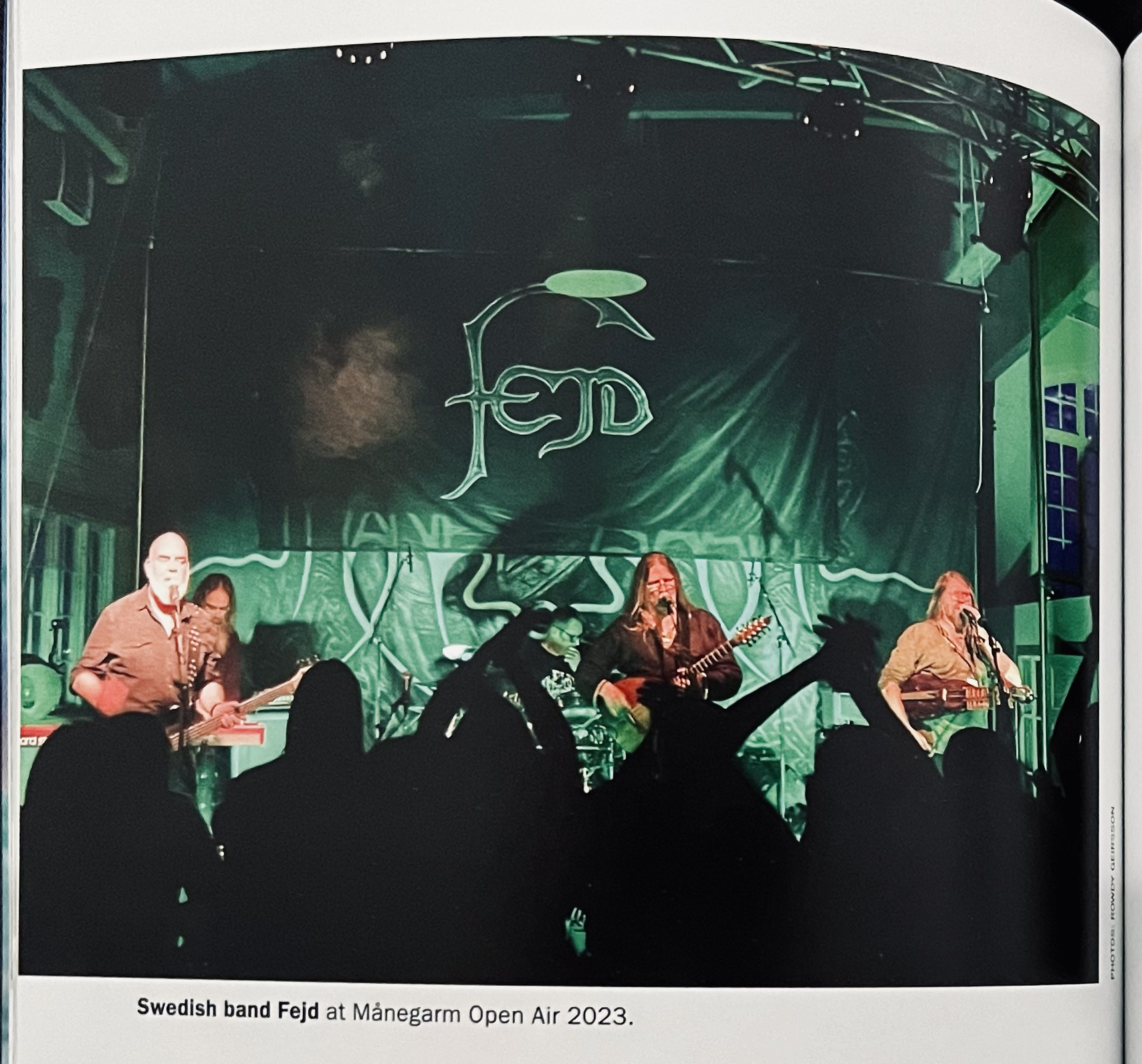
ES: There’s just so many memories. First time outside of Sweden, at Ragnarök Festival in Germany was cool. As we didn’t fit the metal music frame our label had to get approval from the other labels represented to let us play. First time at Wacken when they wanted to try a folk metal stage for the first time, and we were their band of choice. Cernunnos in Paris at Moulin Rouge, at the historic Montreux Jazz Festival, there’s just so many good memories.
RG: Oh, that’s awesome about Wacken, and I think quite an honor to have that inaugural folk metal roll there; I think everyone who is familiar with metal knows about that festival whether they’ve ever been able to attend or not. So, now I know that 2026 marks the 25th anniversary of the forming of Fejd, and that there is a new album in the works scheduled to come out later this year. What can you tell us about this new album and are there any special shows planned to commemorate it and/or the band’s 25th anniversary?
ES: The album is called Nifelheim and it’s already in our label’s hands, so we expect a release before summer. We’re doing a couple of festivals this summer, but I believe we’re too late for most of the bookings for this year; we’ll keep our eyes and ears open for anything that comes to our attention.
RG: What festivals will these be?
ES: We will be at Dark Troll Festival in Germany in May and Månegarm Open Air in Sweden in August. That’s what we have this summer; it might be more, and we are booking for 2027 as well. We’re going to Czech in February for Heathen Strikes over Brno, and that’s something we really look forward to.
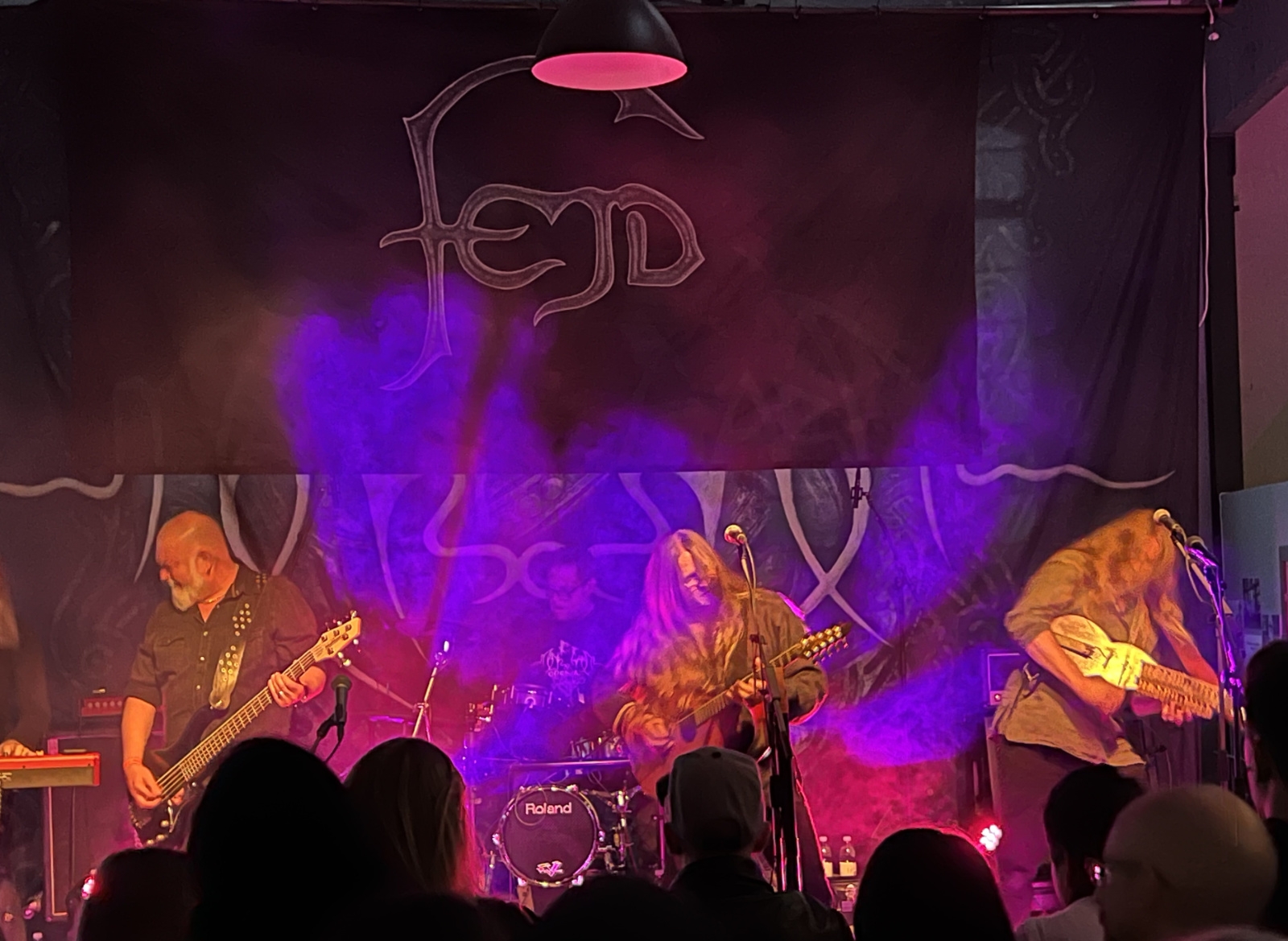
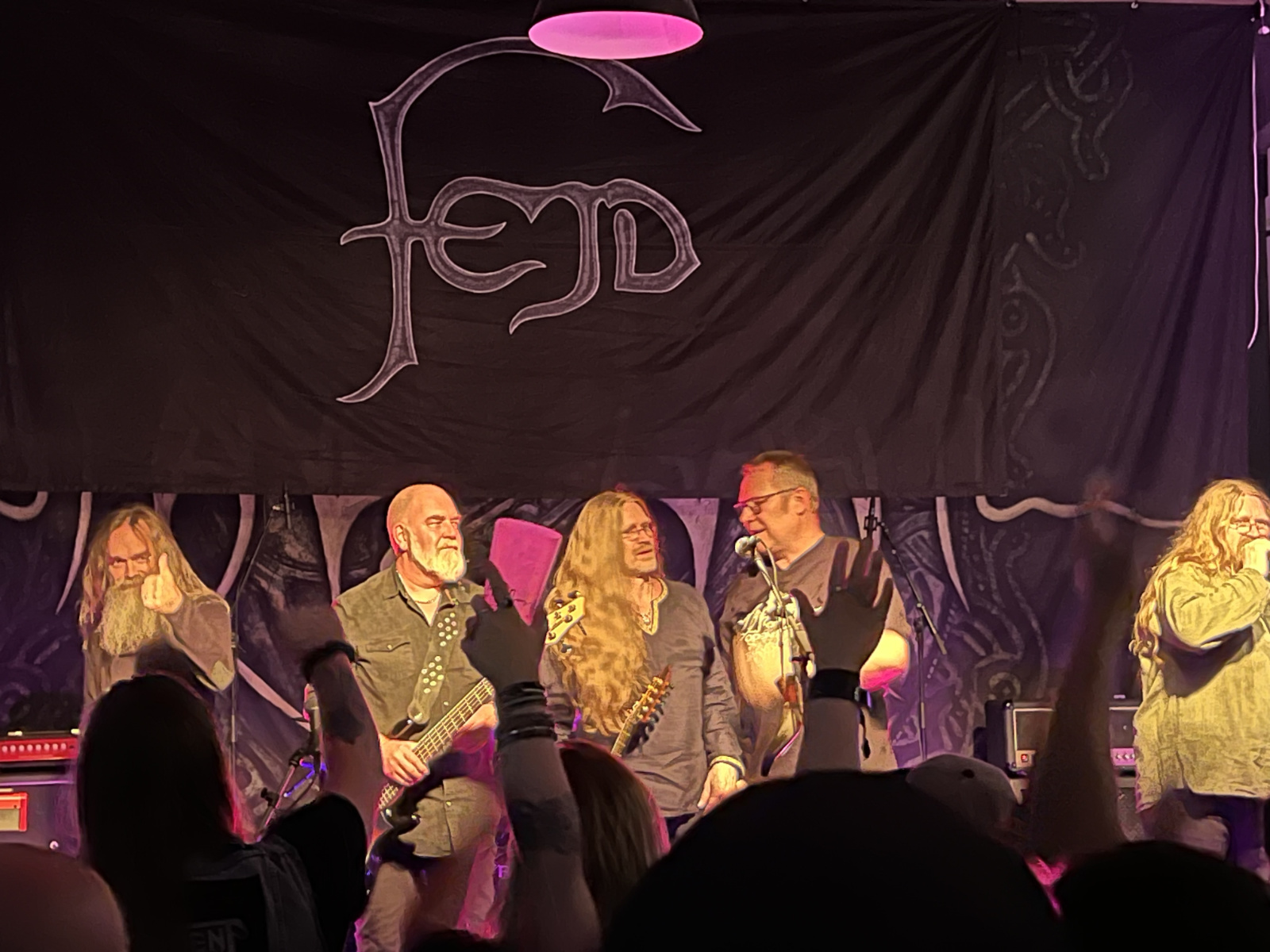
RG: That should be really cool. I think all of us who don’t live in Europe are envious of the European metal festival season as it doesn’t really seem to exist elsewhere, at least to anywhere near the same degree. Now, one last question: I always like to ask a question just for fun on these interviews. So, if you could witness any of the events described in any of Fejd’s songs in person, which would it be and why?
ES: Wouldn’t it be nice to see the fairies dance in Älvorna dansar or the suggestive rites of the witches in Häxfärd?
RG: I have to admit, I do think that would be nice—so long as they didn’t drag you off into the Otherworld or something! Anyway, thank you so much for taking the time to chat with me, and I very much look forward to hearing this new album when it comes out!
ES: Thank you, maybe we’ll meet at Månegarm Open Air later this year!
RG: That would be fantastic! We’ll see what the norns have in store…
Dear Web Prowler, since you’re here, please check out Fejd’s music and give them a follow on social media via the links below:
Unless otherwise noted, all images associated with this interview are © Esko Salow and Fejd
Subscribe to get updates from Scandinavian Aggression!
You know, if you feel like it or whatever. You'll receive a code for 25% off any combination of items at the Puffin Carcass Etsy Store, including signed copies of The Impudent Edda and The Scandinavian Aggressors. Other discounts are included in the newsletter that is sent out to subscribers, which only happens when new nonsense has been posted to the site or whenever there is a discount going on at the Dashery store. Your email is only used for the purpose of sending those updates. It's stored in the secure abyss of WordPress and not shared anywhere or anyhow else. Skål som fan!