
Ymir’s Corpse Interviews is a Scandinavian Aggression initiative in which Rowdy Geirsson picks the metaphorical cloud-matter of authors, artists, and other creators whose works are based on or inspired by the old lore of the Northlands. This time around we have Tim Hodkinson. Tim Hodkinson is a writer of historical fiction novels from Northern Ireland. He is the author of The Whale Road Chronicles, an eight book series set during the Viking Age, and Richard Savage, a two book series set during the Crusades, as well as several stand-alone novels including Sword of the War God, an action-packed retelling of The Saga of the Volsungs that presents the characters and their actions in a real-world, historic context. Prior to becoming a full-time writer, Tim studied Old Norse Language and Literature at Queen”s University Belfast.

RG: So, Tim, welcome! I’m delighted to have the chance to chat with you a little about your books. I recently read Sword of the War God, and so I thought we’d start with a question about it. It’s a splendid re-imagining of the famous story of the Burgundians and the Huns and a disastrous love triangle found in The Saga of the Volsungs and The Nibelungenlied. It’s also something of a departure from your other books. Rather than telling a fully fictitious plotline of your own creation, this book reinvents a plotline that has existed for more than a thousand years. What made you want to strike out into this territory with this particular story?
TH: Thanks Rowdy. It’s very good of you to invite me. As you say, the story Sword of the War God is based around has existed for maybe fifteen centuries. It’s been told and retold by different cultures through the ages, each one reinterpreting it to reflect their own times and values. It exists as an Old Norse saga, alluded to in Old English poetry; it’s a Medieval German epic and is the basis of Wagner’s Ring Cycle of operas, which in turn influenced Tolkien. So let’s say there must be something in it.
Anyone familiar with it, though, will know that story has characters both mythical and historical. Votan/Odin mixes with historical kings and queens of the Burgundians, for example, and it was when I started to look into the historical setting of the tale that things got really exciting. This was truly the time of legends.
In the early years of the 5th-century, the Western Roman Empire is on its last legs, threatened by migration of “barbarian” tribes who will eventually found the nations of modern Europe. Men like Aetius (who has been called “the last Roman”) are desperate to hold the dying Empire together. Add to all this Attila the Hun and his hordes invading from the east. If you take the (infamous) medieval Icelandic historian Snorri Sturluson’s version of the history of the world onboard, then this was the time Odin reigned over a kingdom somewhere in what is now southern Ukraine. In the West, the Saxons are starting to cross the sea to Britain, and you realize that this is also the time of King Arthur (if he existed) and the same time that the man who became known as Saint Patrick was enslaved and taken to Ireland. It’s a historical writer’s dream and one I just couldn’t resist delving into. I can’t believe there aren’t more folks writing about this period.
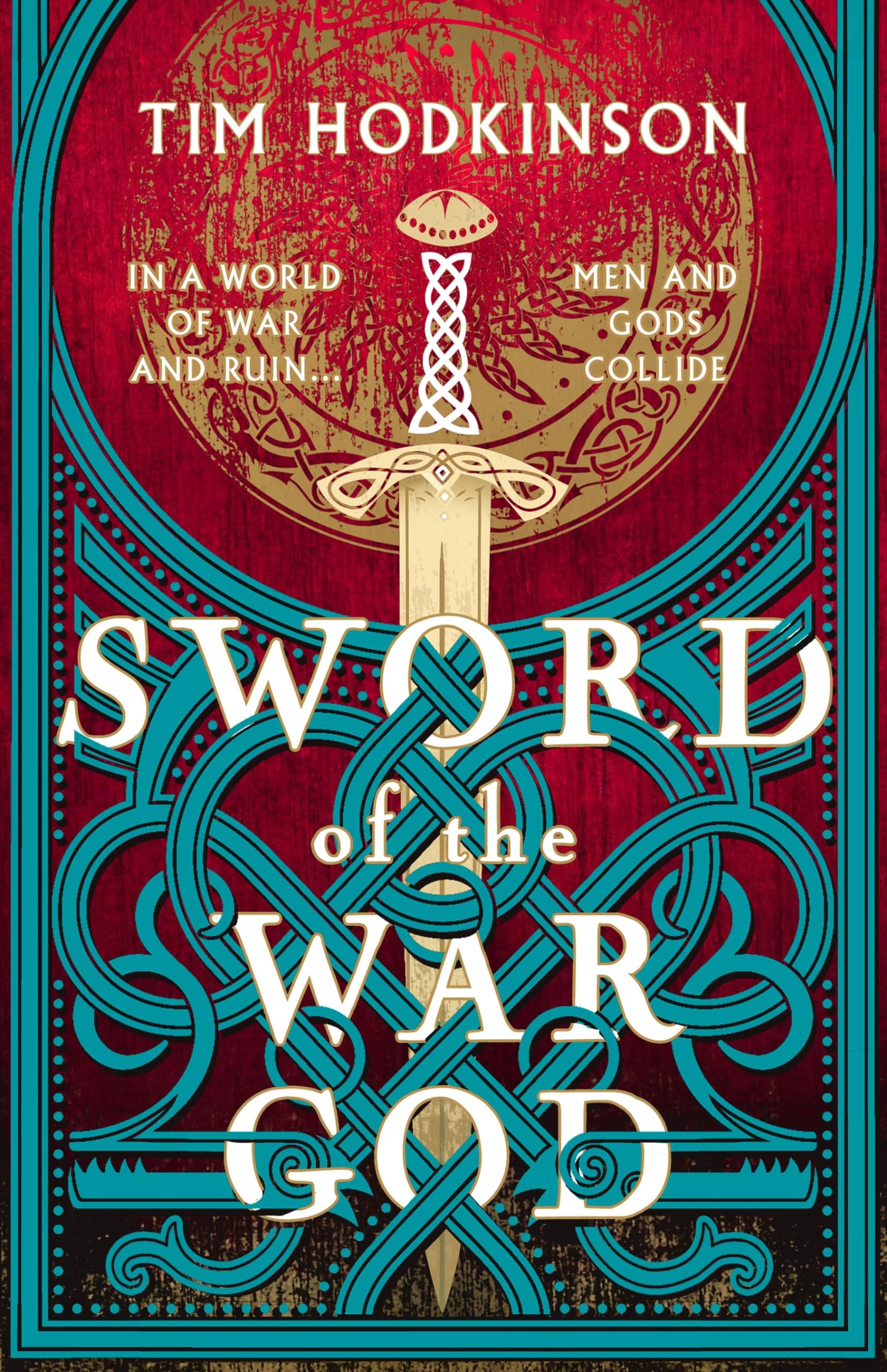
RG: It is a bit surprising. I think the time period itself has not been entirely neglected thanks to the various Arthurian novels out there, but branching out to a setting beyond Britain seems pretty rare, at least in fiction in our language. But getting back to Sword of the War God specifically—one of the aspects that I personally found to be most memorable is the portrayal of the swan maidens and the valkyries—especially Brynhild—as well as that of Wodnas and his tribe. What were some of the major factors you faced when determining how to portray these characters as you did?
TH: There seems to have been some sort of connection between valkyries and swans we have now lost. Old Norse fornaldarsögur (legendary sagas) have many valkyries that turn into swans and vice versa. It seems to be an old Germanic legend. The Völundarkviða is an Old Norse example from circa the 10th-century. Cultures, particularly ancient European ones, have always had male-only or female-only societies, secret or otherwise. I was toying with the idea of the swan maidens being one of those, with a ritual purpose going back to the mists of time. There was also the concept of Richard Wagner’s Rhine maidens which I sort of wanted to weave in there. The valkyries in the earlier Old Norse tales are frightening and very far from the lovely women in winged hats from Wagnerian operas. They were frightening, bloodthirsty women whose names translate to things like “War Spear,” “Devastation,” “Quaker,” ‘Howler,” or “Very Violent.” In a time (and a tale) where there is so much brutal violence towards women, could such a female warrior cult not be a natural reaction? Particularly if they had a willing and wise tutor in the arts of warfare even more so, which was were Wodnas came in.
Wodnas is currently the oldest form of the name of the Norse god, Odin, that has been found (in 2020 they discovered it on a 5th-century bracteate inscription in Denmark). As mentioned above, Snorri Sturluson euhemerized Odin in the 12th-century Heimskringla as a king who ruled a realm in “Scythia” around about the time Sword of the War God is set. A key influence for me was the image of Odin from the sagas where he is portrayed as a mysterious, wise old man who wanders the world barefoot, weaving his plans. If you bump into a stranger on a dark night on a lonely road you never know who it might be. The idea was epitomized to me by the Old English poem from the 10th-century now called The Wanderer, which I quote in the book. I guess there is also a bit of Gandalf in him, too. But then, there was a lot of Odin in Gandalf.
RG: Very true. I always enjoy pointing that out to family members and friends who have seen and/or read Lord of the Rings but know nothing about Norse mythology. You mentioned the legendary sagas and that makes me think of something else that appears on the book: the notorious Tyrfing. Your use of the sword in the book deviates from the standard version of the story, but I think the connection works really well. Where did the idea come from to bring that sword into the story?
TH: The story revolves around a magic sword. The historical Huns believed that a sword was given by their war god to the man who would rule the whole world. The Roman accounts call it the Sword of Mars, the Roman god of war, because that is what Romans did—they interpreted other people’s deities in terms of their own (a process which as you know was called interpretatio romana)—but it really means whatever the war god of the Huns was called. The historical Attila had it “miraculously” found during his reign by a shepherd. In my book Sigurd stole that sword when he defeats the “dragon.” Sigurd is a Germanic warrior so my thought was that he would associate it with his own war god, Tyr, and by the same association believe the same sword to be Tyrfing. Going back to the time period the book is set in, probably the most famous bearer of Tyrfing was the berserker, Angantyr, who as you will know, was a Goth who fought the Huns—see the Old Norse saga, Hervarar saga ok Heiðreks.
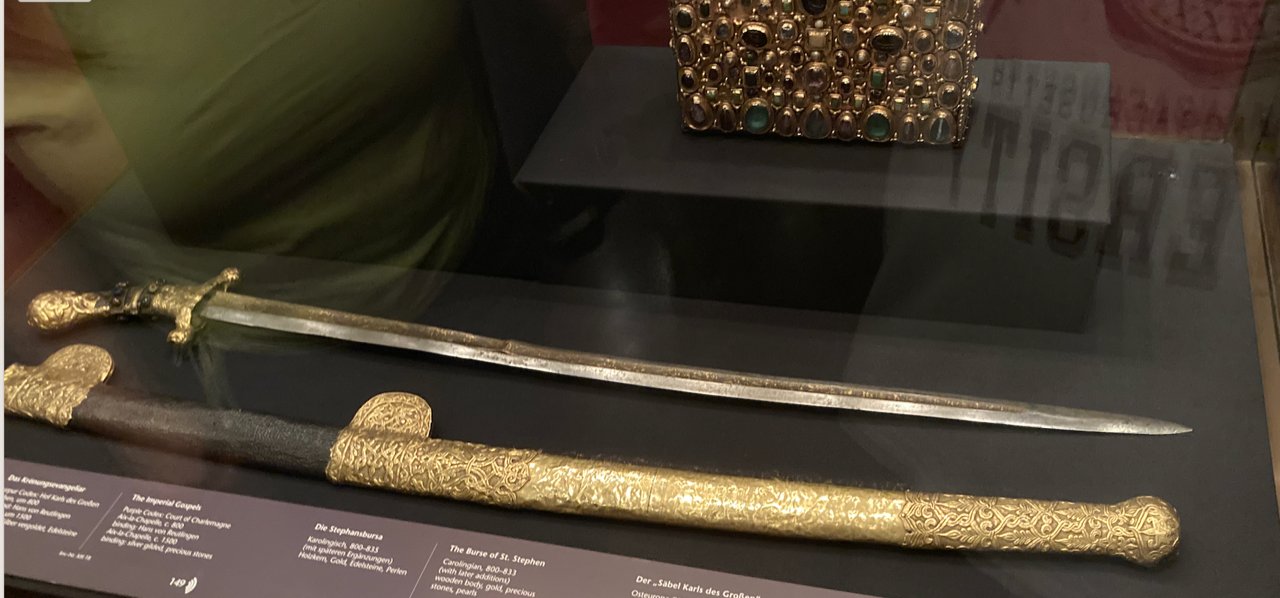
I guess I headed down that rabbit hole towards the theory that a lot of old legends have a common root. There were times when I was doing the research for the book and going, “Oh my God, it’s all connected!!!” like some sort of conspiracy nut. It was fun, though. And if anyone is ever in Vienna they can see the actual sword of Attila (or so they say). It’s in the Imperial Treasury/Weltliche Schatzkammer at the Hofburg Palace, alongside a piece of the true cross and the Holy Lance/Spear of Destiny.
RG: I always really appreciate when a work of fiction can tie these threads of known history and legend together in a compelling way. You know, that works with all that information instead of being entirely contrary to it while still providing a good story. And I think Sword of the War God did that very well. Now changing topics a bit: while that book focuses on early medieval Europe around the time of Rome’s fall, your series, The Whale Road Chronicles, is fully set in the Viking Age. This is also your most established series. Something that struck me about it right away is that the main character, Einar, is an Icelander. That may sound unsurprising at first—a historic fiction book written in the past decade or two about vikings focused on an Icelander—but I haven’t actually come across it all that often. Main characters from the UK and mainland Scandinavia seem more common in contemporary Viking Age historic fiction and fantasy novels. I’m thinking of Bernard Cornwell, Giles Kristian, Scott Oden, and Thilde Kold Holdt, for example, though that list is by no means exhaustive. What made you decide to use an Icelander as your main character?
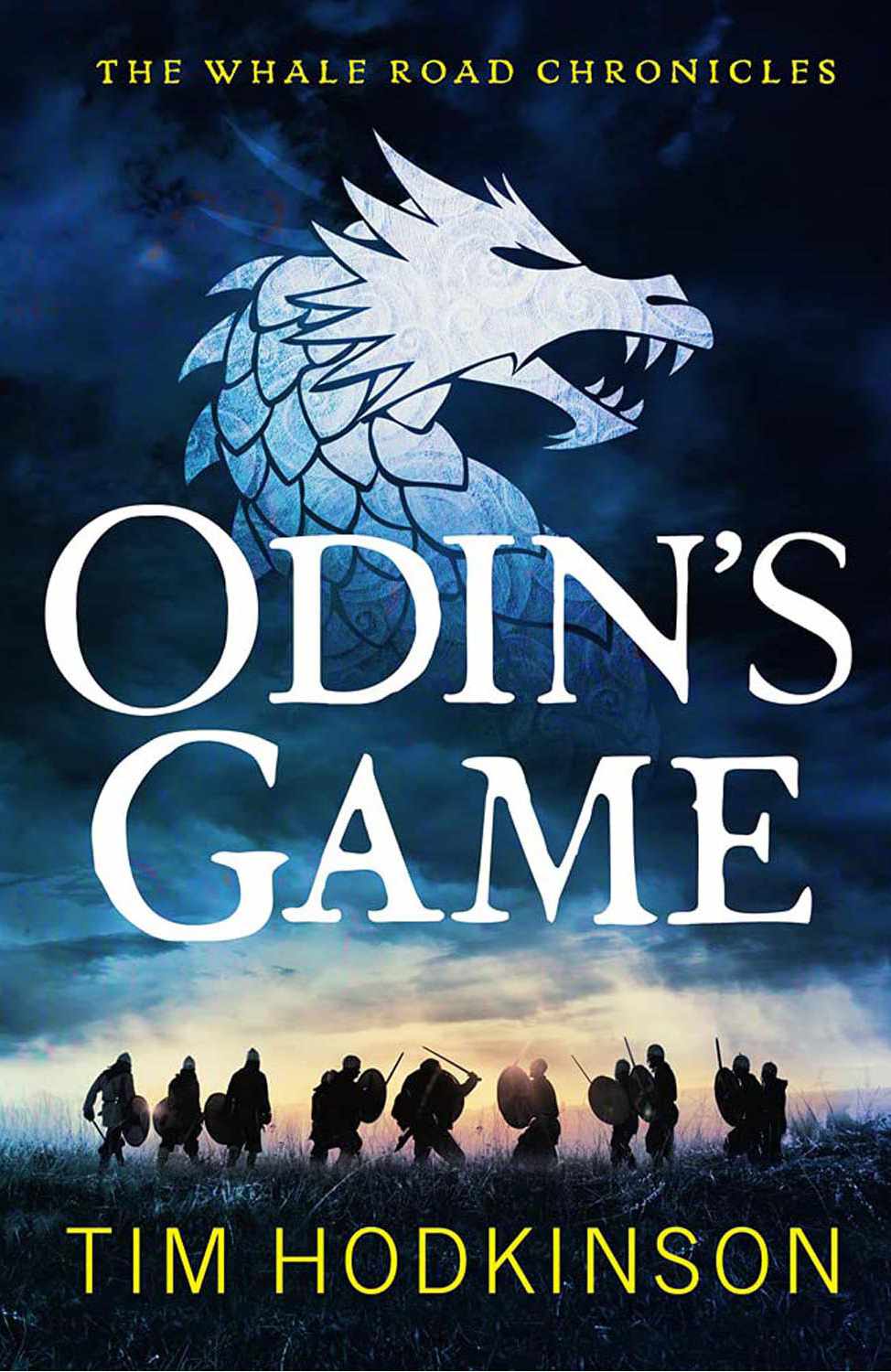
TH: My editor at the time warned me that him being an Icelander was risky—it’s all about having someone the reader can identify with and all that, and they felt that an Icelander might be too much of an outsider. From reading the Icelandic sagas though, I admire the fiercely independent spirit of those early settlers and they have a wicked, black sense of humor that’s shared by most Irish people—well at least in the north part, and Scotland, too. Then there are all those fantastic characters like Egil Skallagrímsson, Ref the Sly, Skarphéðinn Njálsson, Halgerd Long-Legs, and Grettir Ásmundarson. There’s also something about the way in the medieval literature that the Norwegians are always scorning the Icelanders as poor, badly dressed, uncultured cousins (they call them something like “sausage munchers” in one saga) and the way Icelanders are always trying to outwit, outdo, and generally show up the Norwegians reminded me of how the English and the Irish get on to this very day. Einar is half-Irish, by the way. His mother was from somewhere near Coleraine. She’s also one of the ancestors of Hercules Mulligan from Hamilton.
Basically, to me it was a no-brainer that the central character would be an Icelander.
RG: Well, it was a good decision! And I have to admit I wasn’t aware there was this sort of attempts at editorial persuasion to ground central characters in more “relatable” places though I’m not really surprised, either. Did you get a chance before, during, or even after to visit Iceland and see any of the places described in your books?
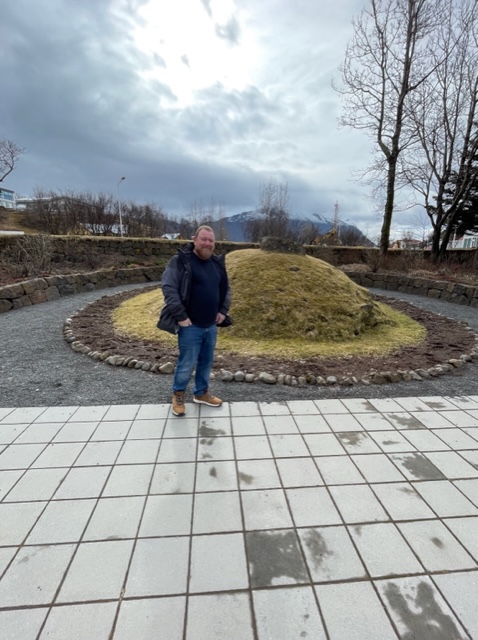
TH: I took my family to Iceland a few years back. We loved it, though the kids did wonder why Dad kept dragging them off to look at inconspicuous mounds in fields or remote mountains. We had a fantastic time though. The countryside is stunning. Incredibly primal and still forming as we speak. It’s hard not to stand beside the Gullfoss waterfall and not think this must be the closest we can ever get to staring into Ginnungagap. It’s like nowhere else on earth. The people are blunt speaking but welcoming, very like the folk I grew up among. I remember asking a woman at a hot dog stand in Reykjavik what the Icelandic word for “please” was. She gave me a pitying look and said, “We have no word for please. It wastes time and breath.” Reykjavik is a great town, made even more special by having a bar named after Lemmy from Motörhead. Like a true tourist, I ate their stinky shark but luckily the “Black Death” they give you to wash it down.
RG: The infamous hákarl strikes again! I never dared to try it myself but agree with everything else you say about Reykjavik and Iceland. It’s a really special place. And really like nowhere else I’ve ever been where there’s that sort of connection to the past in the landscape in which you can have mementos to the old tales everywhere, like “And this is the exact cliff where Skalla-Grím threw a rock and killed his fleeing slave during a fit of berserker rage.” But to get back on the topic of The Whale Road Chronicles, this series is your longest one, so where did the initial idea for it come from and where do you see it going? Is there a predetermined conclusion or total number of books that you envision, or is it totally open-ended?
TH: Odin’s Game, the first book, was originally a standalone tale. The publishers thought there might be more to it and asked me to rewrite it and do two more. The scene where Einar fights Thorfinn was originally the climax of the first book but now concludes book 3. Thankfully, folks seem to still want to read about Einar and the gang, so the contract went for 3 to 5 then 9 books. They say they want one more, so officially 10 will be the last. I was recently toying with the idea of exploring a few tales of Ulrich and Skarphedinn before they entered Einar’s life so you never know.
RG: So sort of as prequels or short stories themselves? I could see a standalone volume of independent background stories to characters other than Einar working nicely actually.
TH: Yes, short stories that follow the backstory of other characters in the years before The Whale Road Chronicles begins. The first one tells how Ulrich became an Úlfhéðnar and should be out soon. Then there will be others like how Skarphedinn met Ulrich, how Affreca survived the dangerous time when her father’s new wife wanted to kill her. Maybe even how Eirik BloodyAxe met Gunnhild, that might be a funny one. I think the characters in The Whale Road books are a rich and varied bunch, and hopefully readers are interested enough in them to want to read more about them.
RG: I think so, especially as such stories would flesh their world out a little more, and I imagine could likely be read in any sequence. So where did your interest in the vikings come from originally? Was there any notably pivotal or influential books or movies that you saw as a kid that really drew you to this world? I know you studied Old Norse literature and medieval history at university so I imagine you must have already established an interest in the subject matter before then unless I’m totally mistaken!
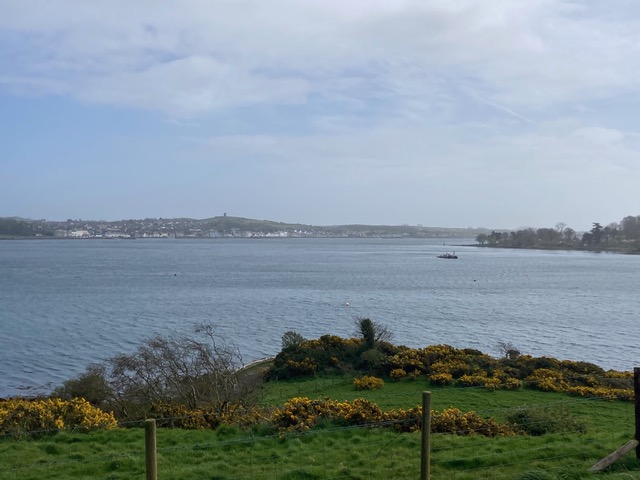
TH: I remember as a really young child, maybe eight years old, going on holiday to the Isle of Man (it was the 1970s—that was about as exotic as it got for folks from Northern Ireland). There was a reconstructed longship there that had just been rowed across the North Sea from Norway, and I thought it was so cool, especially the shields along the side and the raven banner on the mast. I think that sparked my interest. I started reading about the vikings and realized what we were taught about them in school—that they were a bunch of foreign heathens and Brian Boru kicked them all out at the Battle of Contarf (this was 70s Ireland remember)—could not actually be true. Half the places on the east coast of Ireland have Norse names to this day. Places like Strangford, Waterford, Wicklow, Arklow, and Leixlip all retain the names vikings gave them over a thousand years ago and that doesn’t tend to happen if the folk who named them all left. Even Donegal means “Fort of the Vikings” in Irish, so I came to appreciate the profound affect they had on this country. Then a year or so later, we went to York and they had just opened the Jorvik Viking Centre there. I loved it and came home with a t-shirt that said “Eric Bloodaxe rules ok” on the front. All the other kids at my school would have been wearing Stiff Little Fingers shirts at that time so I guess it made me stand out a bit. Yes, I was a nerd. Then I got into Tolkien and Lord of the Rings and that led me full circle back to Old Norse mythology.
RG: That sounds like an excellent shirt. They should bring that design back if it’s not still available. I visited a few years ago and don’t remember seeing it anyway. Did they have the famous coprolite on display when you visited in the 70s? I know what sort of impression it makes on grown-ups, so I can only imagine what seeing it would have been like as child!
TH: Yes, it was there, and I remember my mum having to explain what “coprolite” meant. Then her and my dad saying it must be fake because it was so big. I thought that hilarious, naturally.
RG: There’s a timeless sort of humor to it that transcends all age barriers, if you ask me. Changing subjects a little here, but I’m also aware you lived New Hampshire for a while, which is basically my home territory, so that is just too much of a coincidence for me not to comment on. Can you tell us a little about your time there and what you thought of it?
TH: I loved New Hampshire and so did my family. We lived just outside Portsmouth for a couple of years, and it’s a fascinating part of the world. Europeans sometimes look down on America as being “new” with little or no history, but New England contradicts that. We lived in a village that was founded in 1623 and had houses going back to nearly then. Belfast (the one in Ireland, not Maine) didn’t even become a city until 100 years ago and there’s hardly any buildings in it even that old. The seasons were amazing—snow in the winter, skiing and ice hockey, hot summers and, of course, the colors of the fall.
The beer is immense. I really miss a Russian Imperial stout called Catherine the Great that used to come around once a year from the Portsmouth Brewery.1 I’ve never tasted anything like it. They really take whole “Live Free or Die” motto to heart, too, which I think is very Icelandic. Or American maybe? Then for a writer there’s the whole Lovecraft connection, and Stephen King, too. All in all, it’s a very special part of the world.
You talk about coincidence, though. My family came from a place called Carrickfergus in Northern Ireland and when we got to Portsmouth we found it was twinned with Carrickfergus, because of the John Paul Jones connection. There were also mounds of salt sitting at the docks in Portsmouth used to grit roads in New England which came from the salt mines just outside Carrickfergus. My father’s family originally moved to Carrickfergus in Victorian times to open those mines. All in all, we felt very much at home there.
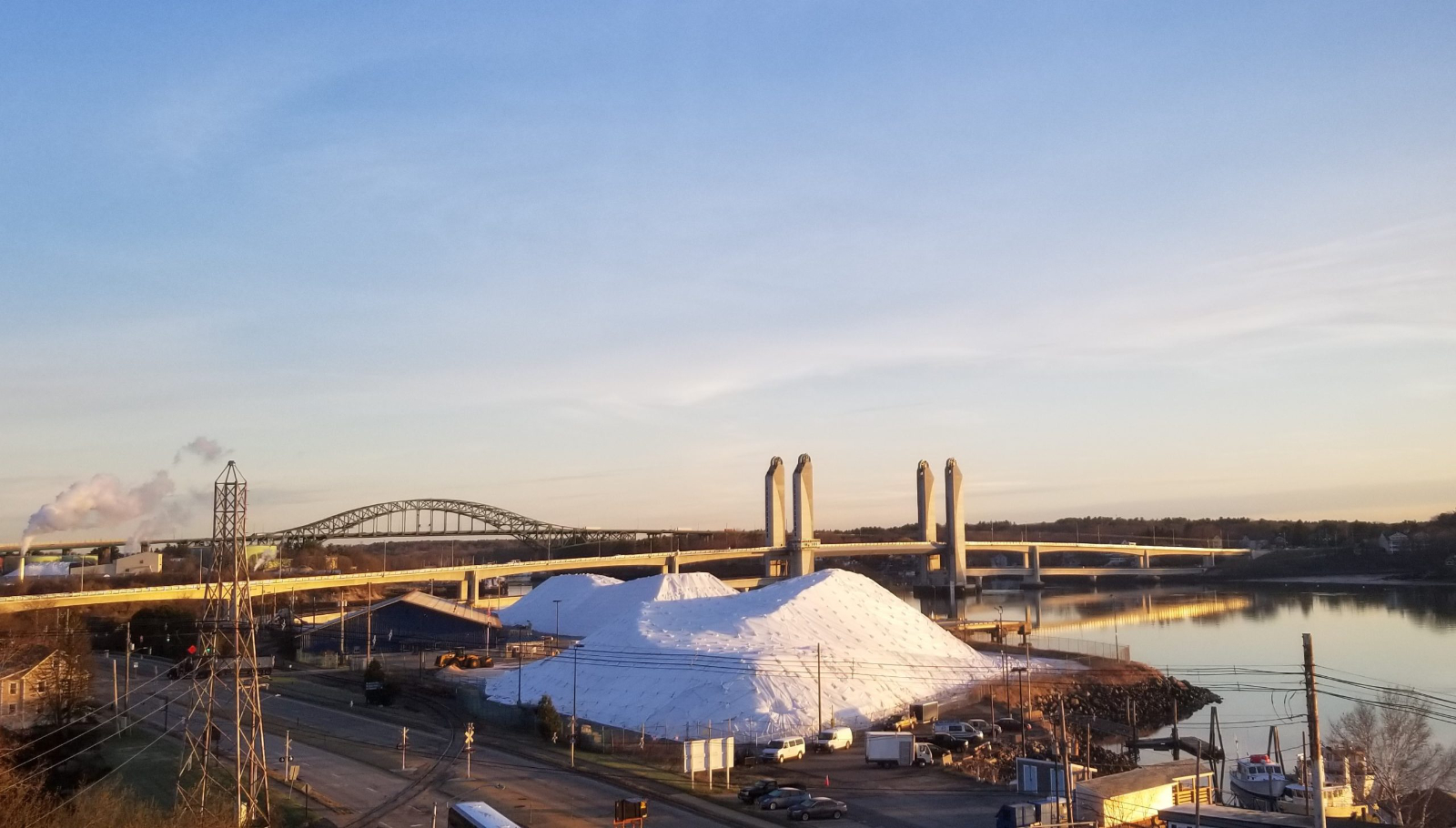
RG: Wow, okay I did not know that. I mean, I do know exactly the salt pile you’re talking about but had no idea about its history or connections to Northern Ireland. I just always regarded it as Portmouth’s “Welcome to Portsmouth! Please admire our pile of road salt!” way of welcoming people to the city. But getting back to your books—are there any others I haven’t asked about that you’d like to comment on? I know you have a series focused on a crusader as well as a stand-alone short story about Beowulf, among others. And what do you have next in the works?
TH: My next book is a bit of a departure from vikings. I’m in the middle of writing a novel set in the world of King Arthur. It’s set very much in the medieval chivalric fantasy world of Arthur and his knights, so has Merlin and dragons and all that sort of stuff, so it’s a departure from the sort of realistic “historical” Dark Age Arthur that I think has been done well already by the likes of Giles Kristian and Bernard Cornwell. It will be interesting to see what people think.
RG: That’s cool, it sounds like a fun departure, and as we’ve already commented on a little with Dark Age Britain, your approach ought give it a good way to differentiate it from some of those other titles. I look forward to seeing what comes of that one. But we should probably start wrapping this up now, so one last question for fun: being as the figures of both Thorfinn Skullsplitter and Erik Bloodaxe loom large (and menacingly) in The Whale Road Chronicles and assuming you could travel back in time, perfectly blend in, and spend a winter as a guest at either’s meadhall and survive to tell the tale back in our own day and age, whose would you choose and why?
TH: Great question! At both I’d need to keep my wits about me and bear in mind all the advice from the Hávamál about being careful what you say, not getting too drunk and the like. I guess it would have to be Erik when he was in Jorvik. If I could be there the night Egil Skallagrímsson turns up and composes and recites a poem so good (but also so surreptitiously satiric) that Erik spares him his life, that would be brilliant. It’s one of those epic moments of conflict resolved through art that would be amazing to witness. As long as Egil doesn’t get too drunk and start looking for someone to throw up on.
RG: Haha yeah, no one wants to end up with an unfortunate epithet like “The Puked Upon” or something. Anyway, Tim, thanks so much for taking the time to chat with me!
TH: Thanks very much for talking to me. If anyone wants to get in touch with me feel free to contact me through my new website or social media.
Dear Web Prowler, since you’re here, please check out Tim Hodkinson’s work and give him a follow on social media via the links below:
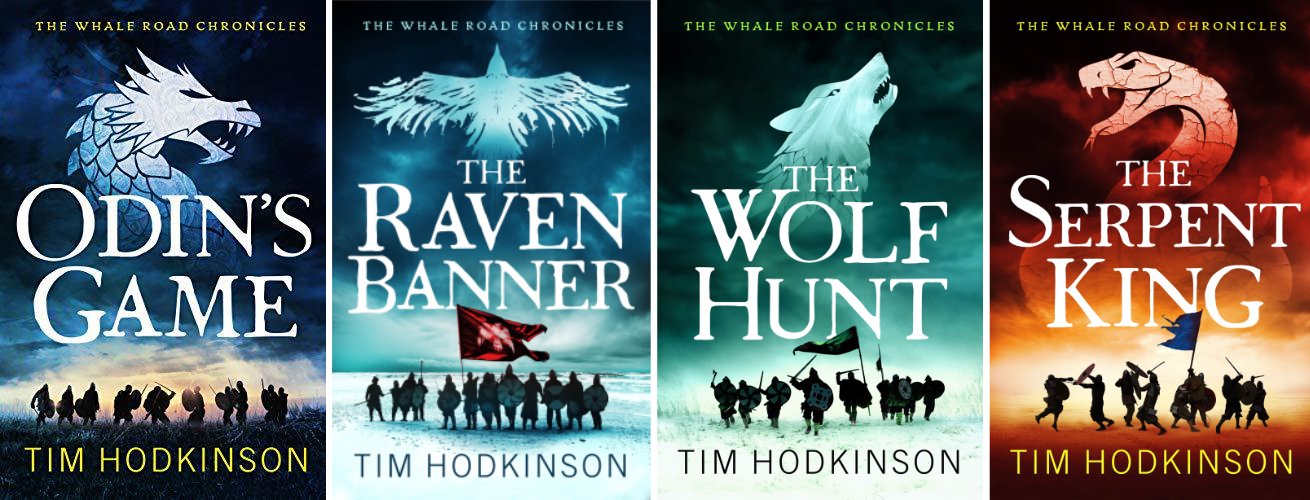
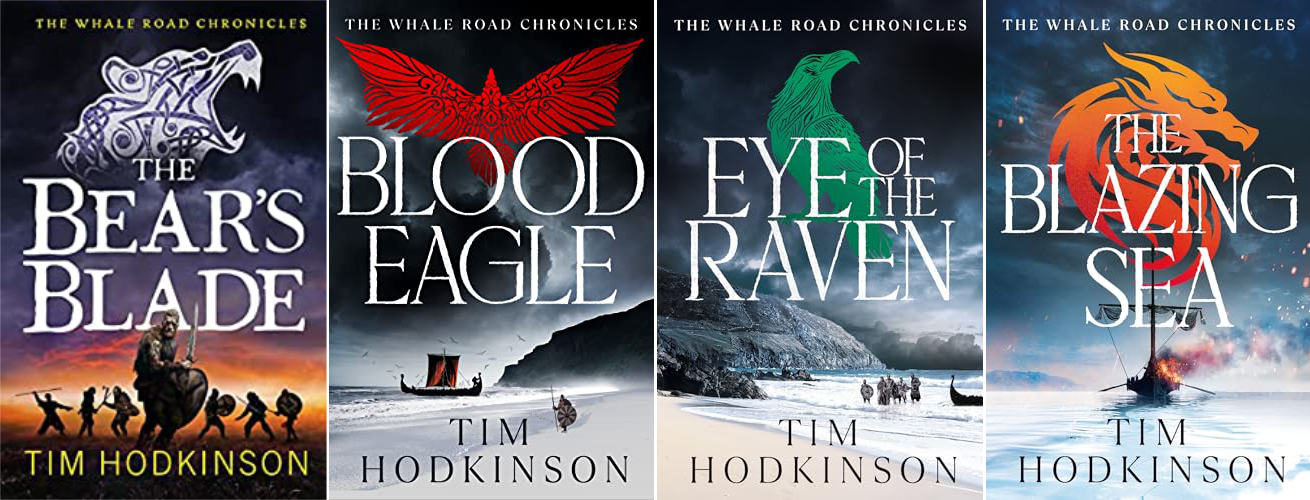
Unless otherwise noted, the images associated with this interview are all courtesy and copyright of Tim Hodkinson
- The Portsmouth Brewery sadly closed permanently in 2024 due to excessive water damage. ↩︎
Subscribe to get updates from Scandinavian Aggression!
You know, if you feel like it or whatever. You'll receive a code for 25% off any combination of items at the Puffin Carcass Etsy Store, including signed copies of The Impudent Edda and The Scandinavian Aggressors. Other discounts are included in the newsletter that is sent out to subscribers, which only happens when new nonsense has been posted to the site or whenever there is a discount going on at the Dashery store. Your email is only used for the purpose of sending those updates. It's stored in the secure abyss of WordPress and not shared anywhere or anyhow else. Skål som fan!