
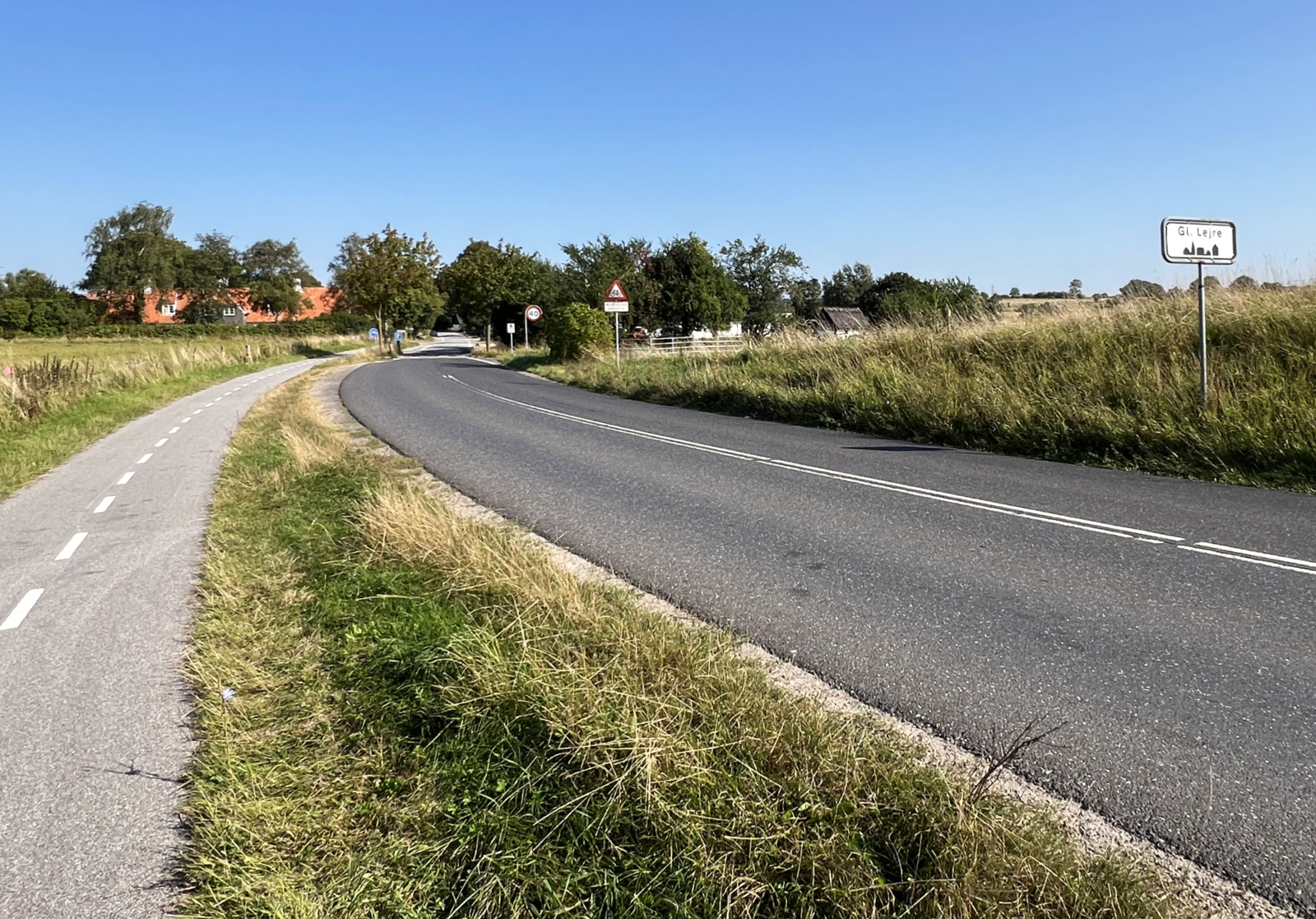
So, the time has come to babble about Lejre and its cultural heritage as seen in its landscape and local museum. Not that there’s ever an inappropriate time to babble about these things, but Lejre is located in Denmark and thus to do so on this obscure website almost feels like an act of betrayal to the overlooked and out-of-the-way places of southeastern Sweden1 and the darkest and dingiest corners of New England that it usually focuses on. But fear not! Because, if you read further, you will find that a connection to one of those regions is made (or forced, if you are dastardly and prefer to think of things that way).
I suspect that most people who have [un]erringly landed on this webpage already know what Lejre is, but if not, a short recap: Lejre is the legendary (but also real) home of mighty ancient Spear-Danish kings such as Hrolf Kraki, who was the star of his own saga and is famous for doing things like employing the literal shape-shifting sorts of berserkers in his fierce warrior retinue and also for sowing the fertile fields outside Uppsala with gold (as one does). Today, Lejre is a municipality in its own right on the island of Zealand. It borders the municipality of Roskilde (best known to Norse nerds for its ship museum), but the area of interest within the municipal borders of Lejre lies ~5 kilometers southwest of Roskilde’s town center and ~45 kilometers west of the central station of the big shopping harbor/Danish capital city. It’s actually pretty easy to reach on the local train system, too. Take the train west from Copenhagen for 35 minutes to Lejre Station and then walk for another 20 minutes north, and you’ll reach Gammel Lejre, which is Danish for Old Lejre. Gammel Lejre is the real Lejre.
There is also Sagnlandet Lejre (“Lejre: Land of Legends” in English) which is more of a reconstruction extravaganza in the vicinity and a little harder to reach by relying solely on public transportation and foot power. Still, it looks pretty cool, and I would have trudged my way there if the place hadn’t been closed on the day that I visited Gammel Lejre (a scornful ploy of the norns, no doubt).
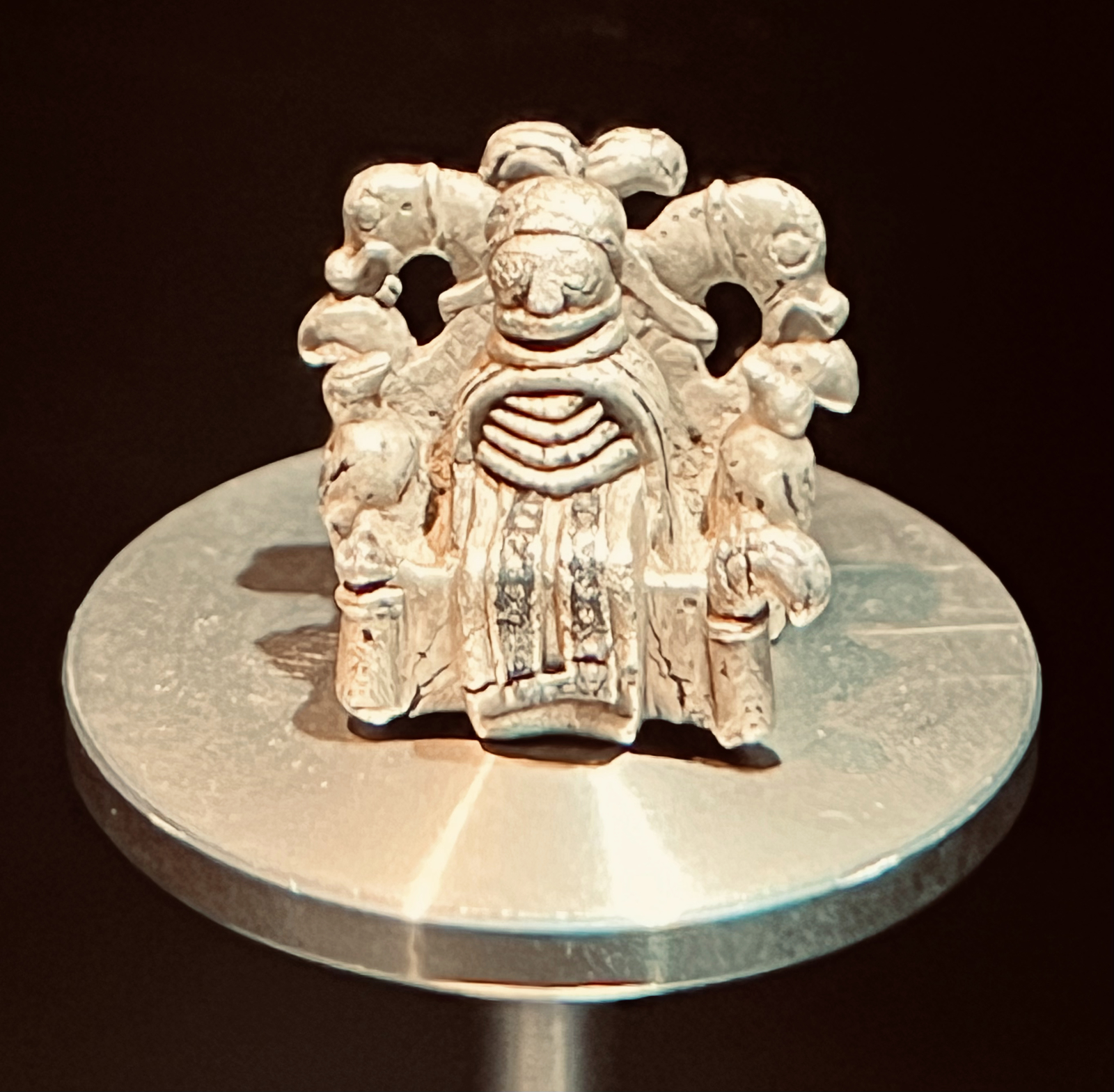
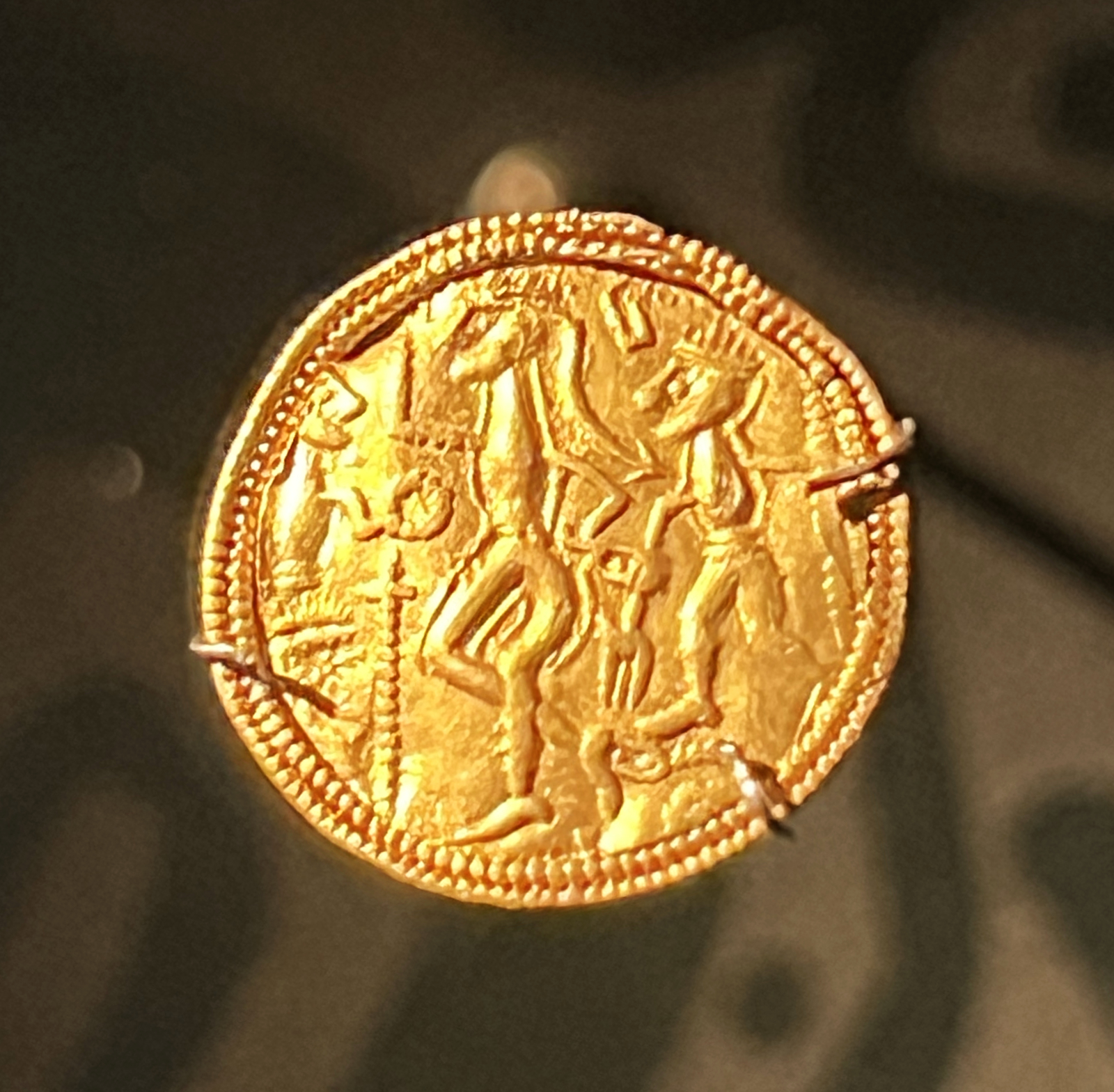
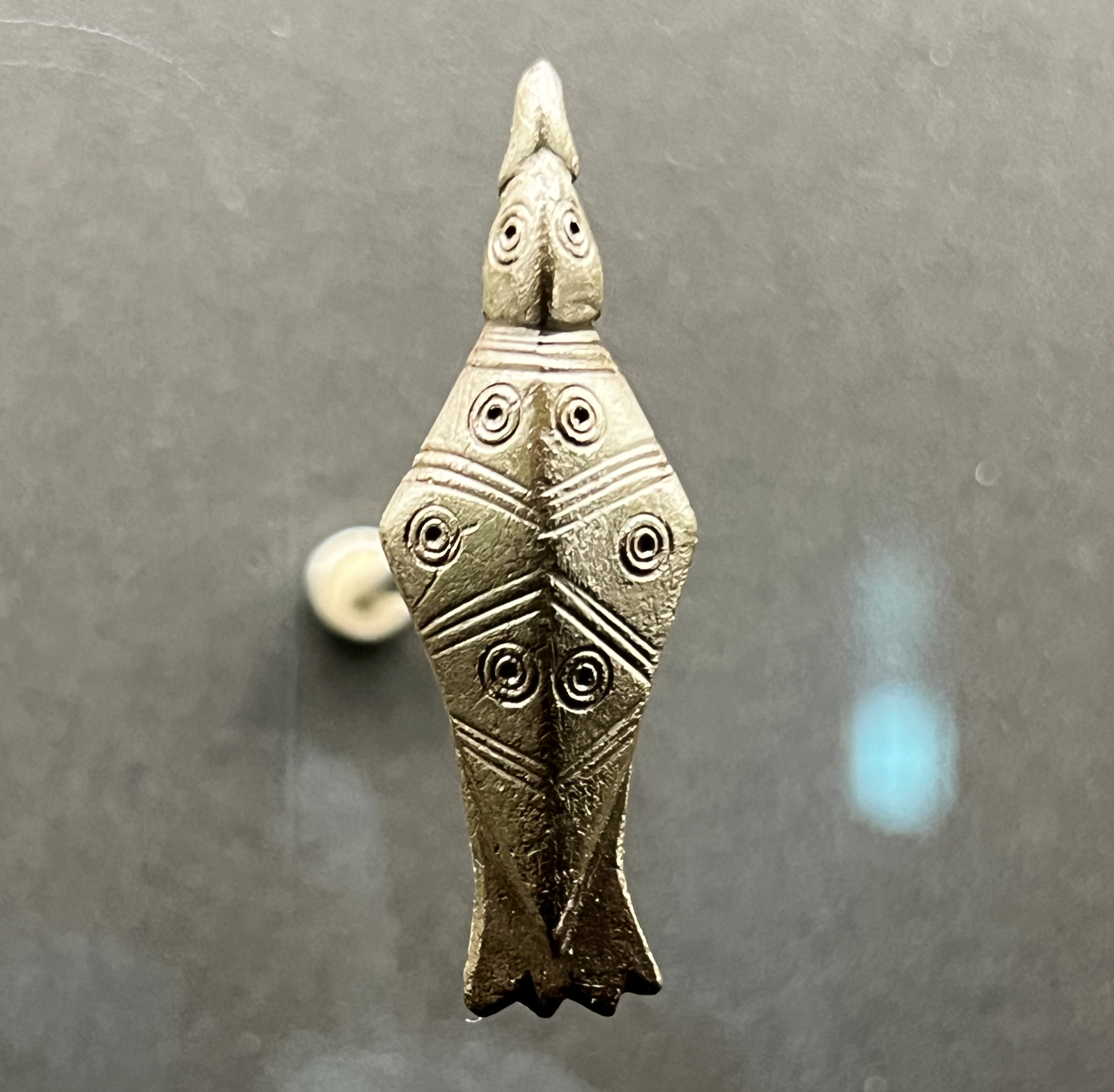
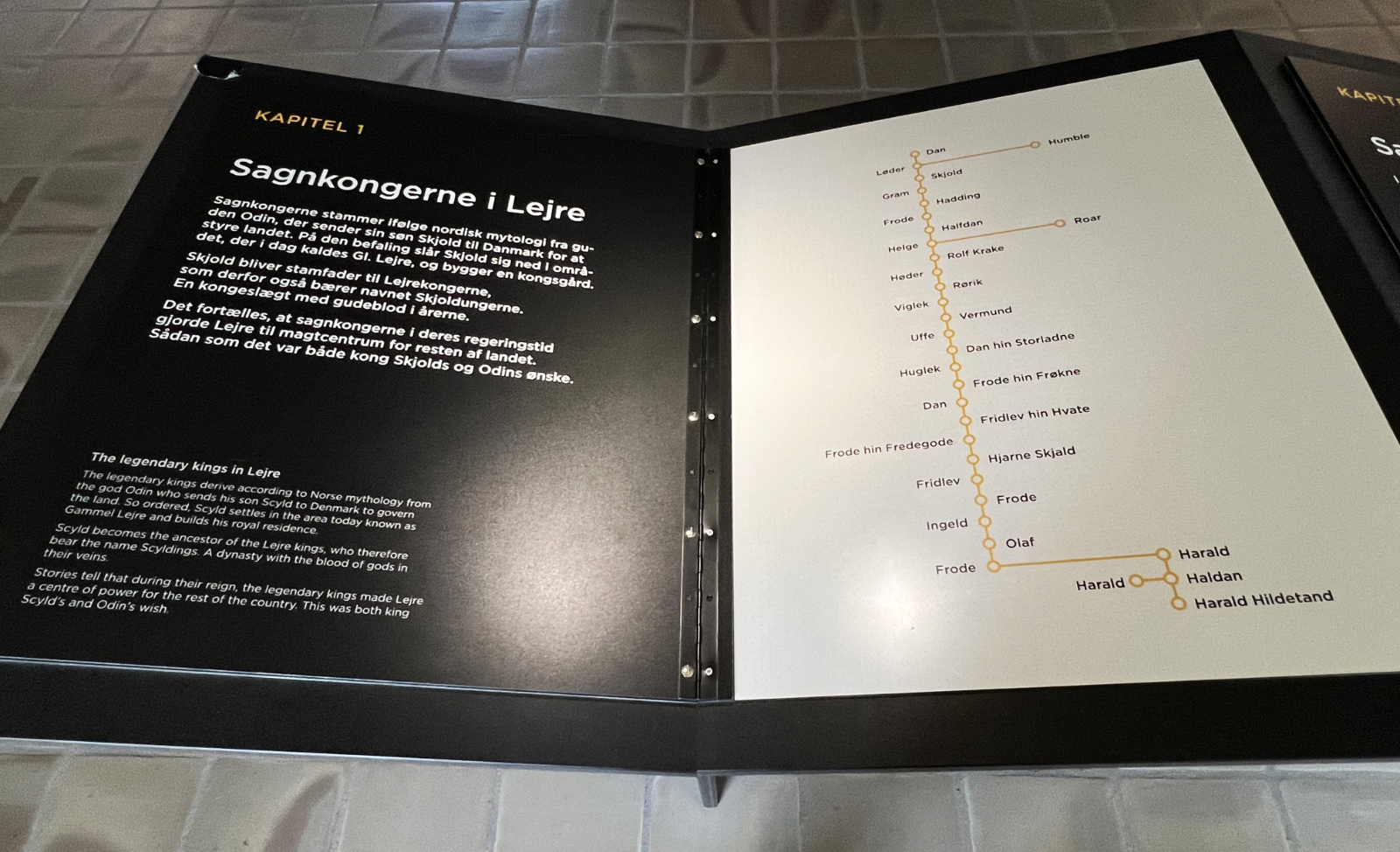
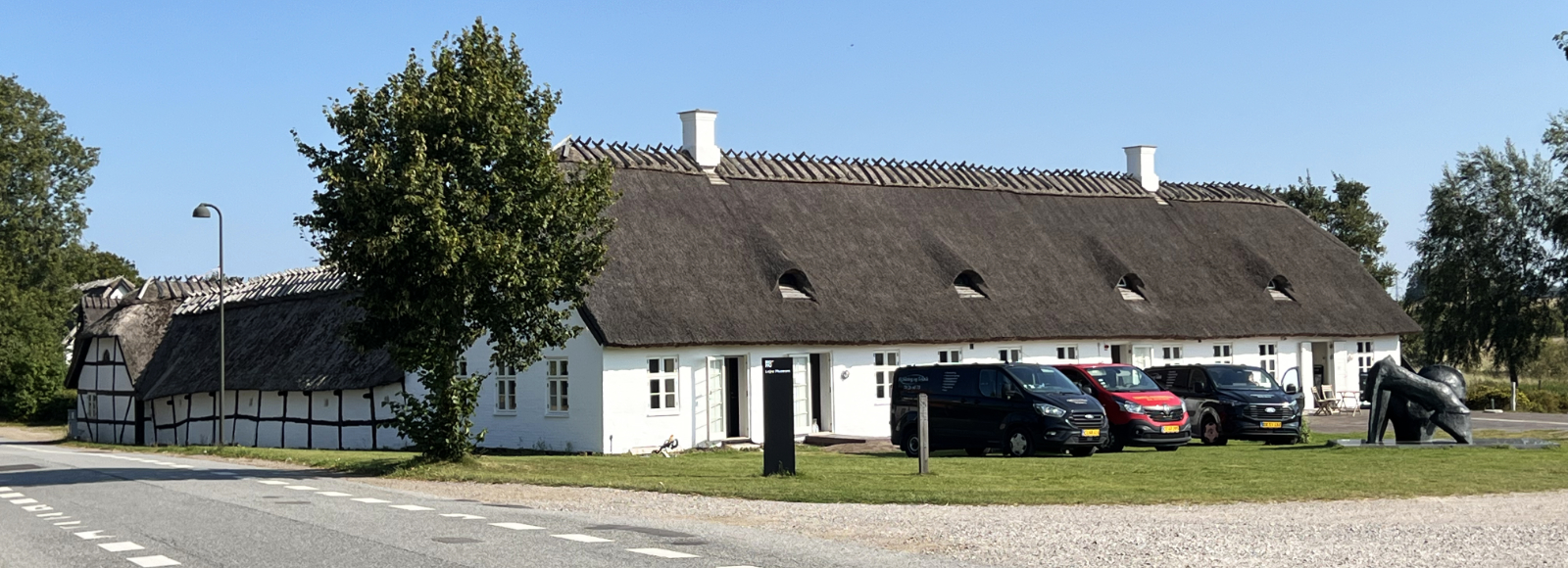
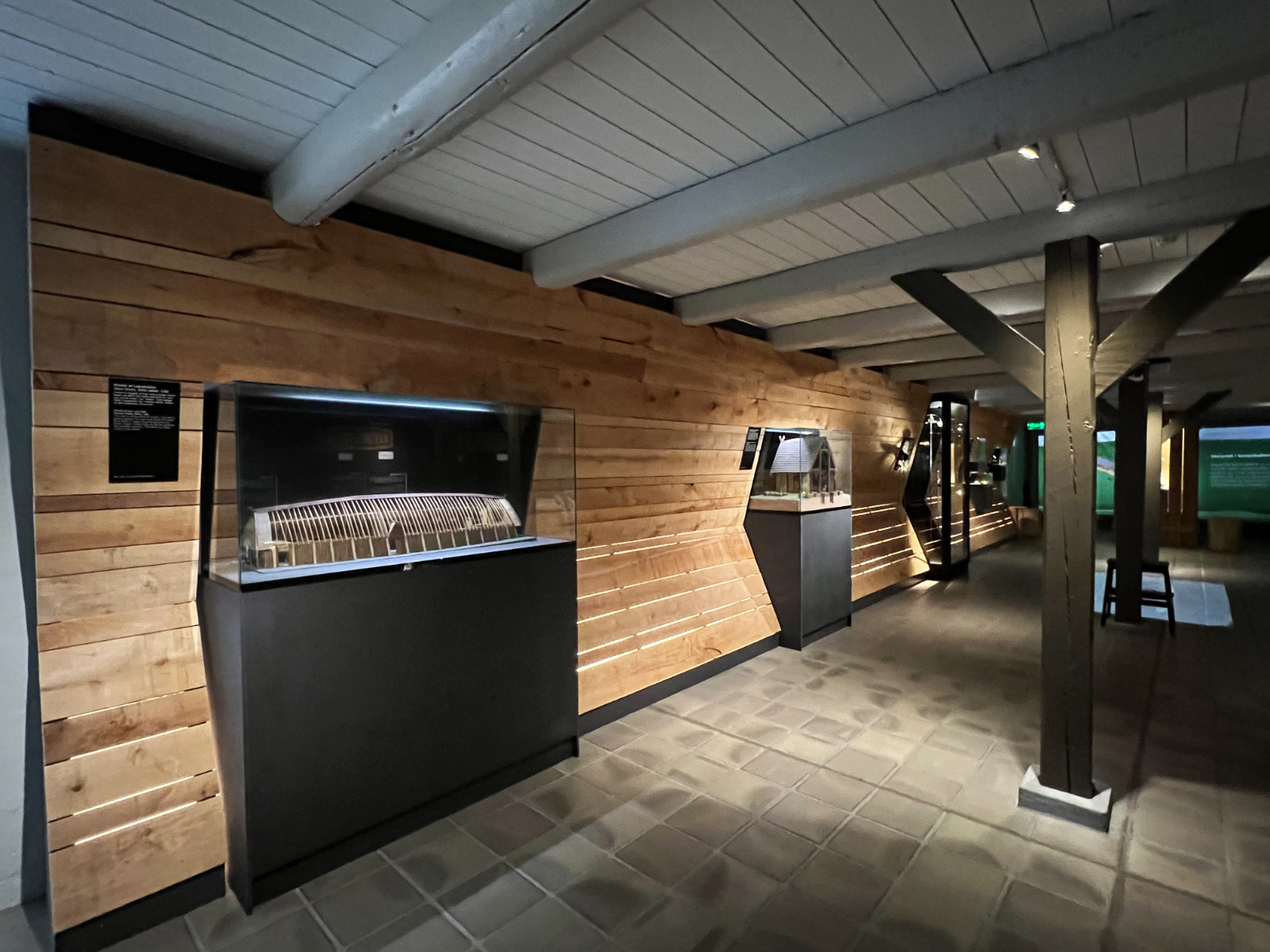
But Gammel Lejre is where the really cool archaeological stuff is. The museum there, aptly named Lejre Museum, houses impressive artifacts, such as the maybe-Odin on a throne figure (commonly referred to simply as “Odin from Lejre”), the gold bracteate that probably represents the death of Balder, and an impressive assortment of the usual suspects of Thor’s hammers, ornate brooches, etc. There are also good informational displays covering the basics of the legendary rulers of Denmark who were and still are claimed to have lived at Lejre. Beyond Hrolf Kraki, these include Scyld Scefing, who founded the royal Danish dynasty of the Scyldings2 which in turn includes none other than Hrothgar himself, who is known as Roar in Danish. And as you hopefully know, it was Hrothgar/Roar who was terrorized by the horrible man-eater Grendel and his malicious mother. Which brings us back to Beowulf and off-the-beaten-path places in southeast Sweden.3
While Lejre has enjoyed many years of acknowledgement as the generally accepted home of Heorot (Hrothgar’s wondrous mead hall) among scholars, tourist guides, nerds, and social media gurus who proclaim themselves as experts and habitually begin their posts with the ubiquitous phrase “Did you know?”, the notion has been challenged by the modern-day breaker of mead benches himself, Bo Gräslund, and his brothers in Beowulfian arms, Hans Wanneby and Rikard Evertsson. While these gentlemen all concur that Heorot was not at Lejre, they disagree on its location. Gräslund has cast his hat in favor of Broskov on the southern shore of Zealand whereas Wanneby and Evertsson claim the neighboring island of Møn is the actual location. But all three men concur that the Geats came from Gotland off the coast of mainland Sweden’s southeastern shore. I have written about that previously on this website so I won’t belabor the point further here, and I encourage you to read my previous posts and as well as their books, The Nordic Beowulf and Home of Beowulf, if you’re interested in a genuine deep dive into the Gotlandic theory and its various nuances.
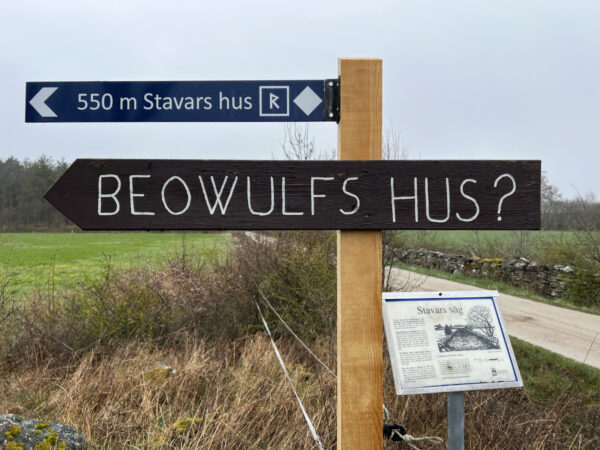
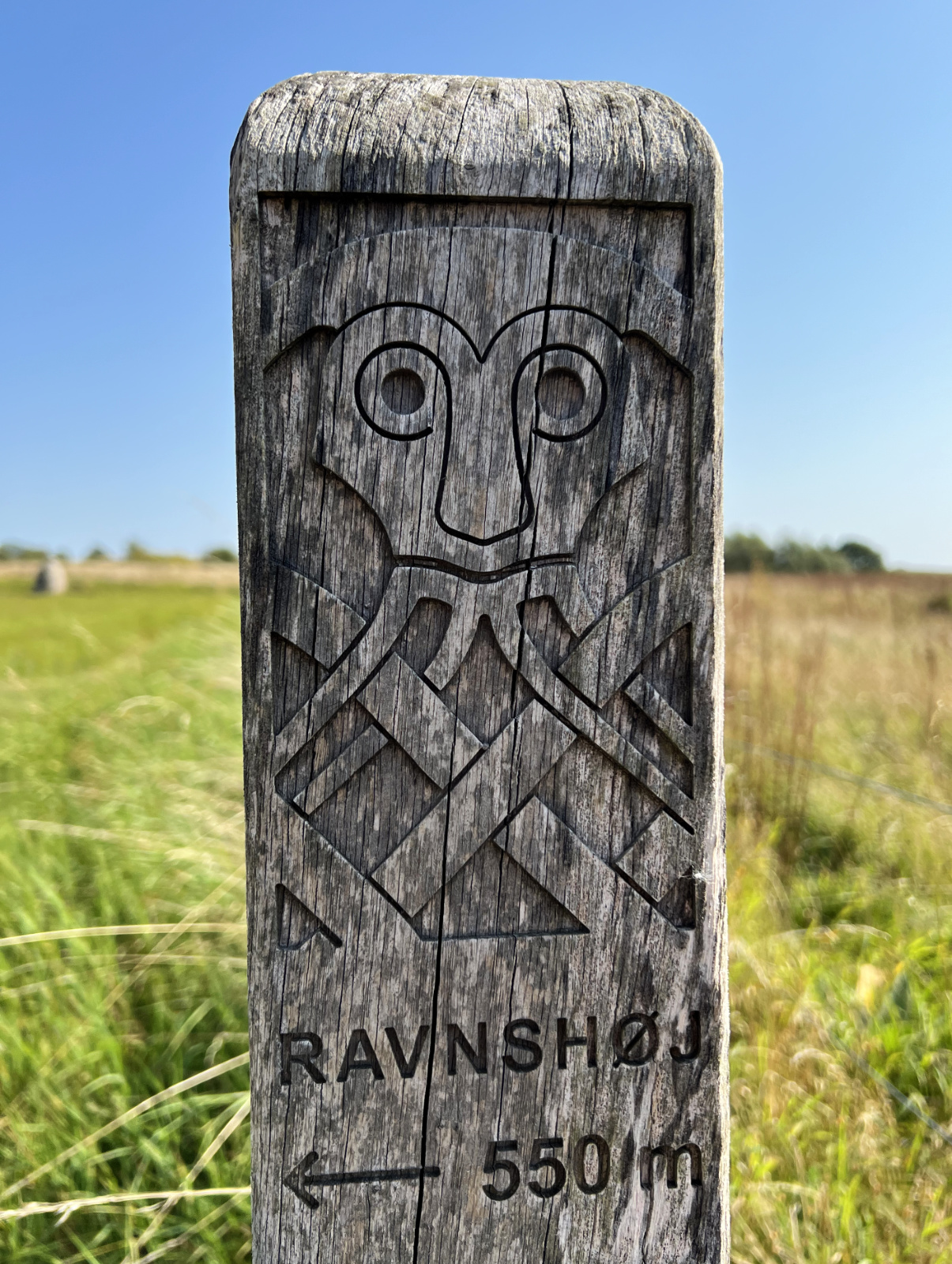
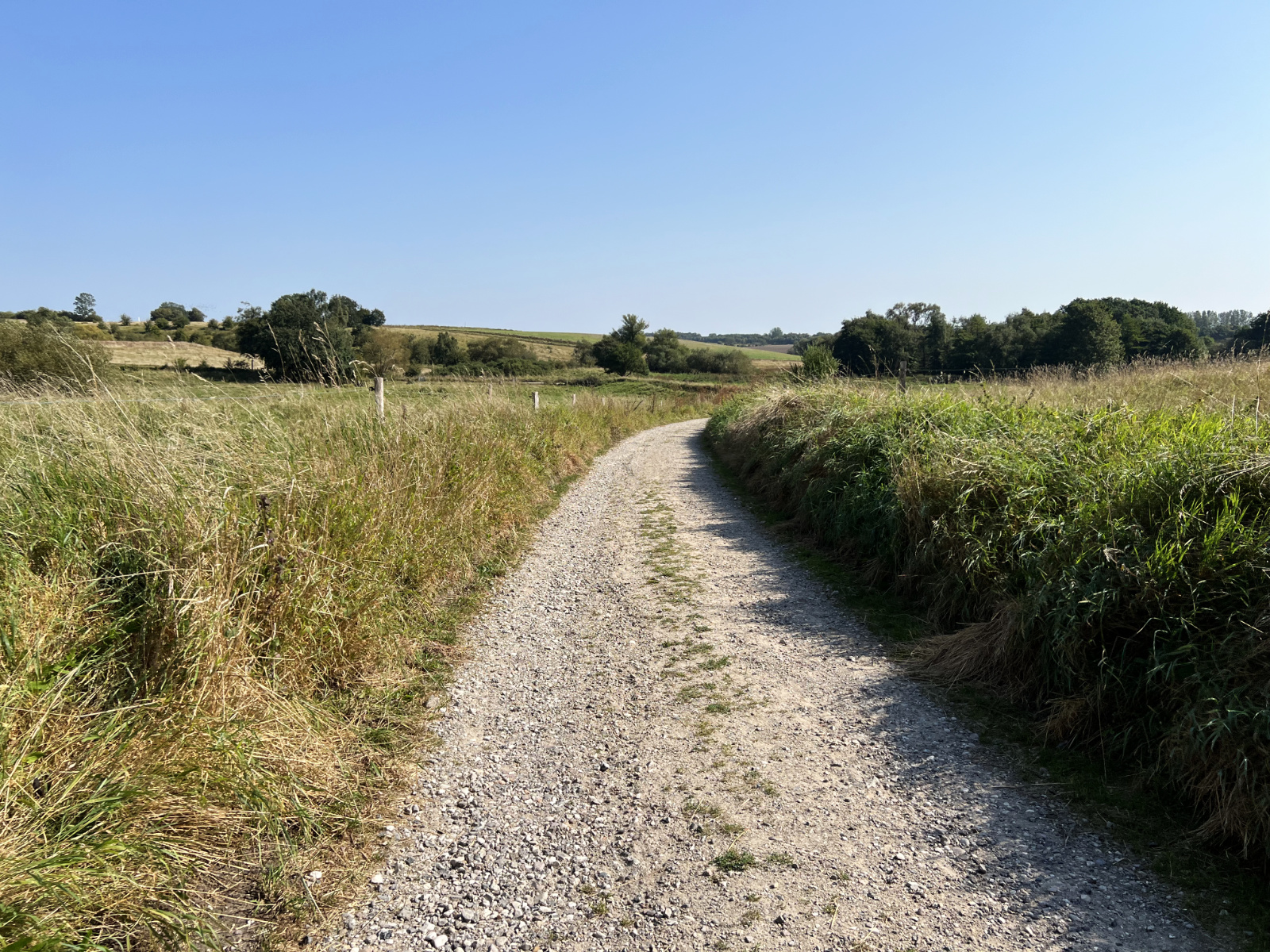
Whether Lejre was the place that the original poet actually had in mind when composing Beowulf or not is besides the point here, because the point is to babble about Lejre, to provide some general information about how to get to it, and, naturally, to illustrate some of its cool historical features via an assortment of fun photos for the wayward web prowler to hopefully enjoy viewing. That said, Lejre remains, of course, very historically significant. It’s known to have been the seat of power for Danish royalty during its heyday, and the surrounding landscape reflects that. In addition to the museum, there are burial mounds, stone ship settings, and mead hall foundations scattered all around, along with a series of well-maintained walking trails that tie it all together in the immediate vicinity. Informational signs exist at the various stops along the way, and I personally found the unique way-finding posts to be particularly charming and well-designed. The cultural landscape of Lejre is actually just one small part of a larger Danish national park: National Park Skjoldungernes Land. It’s a broad area covering 170 square kilometers, so it extends beyond Lejre by quite a bit and is riddled with various hiking and biking trails, woodlands, and historic sites.
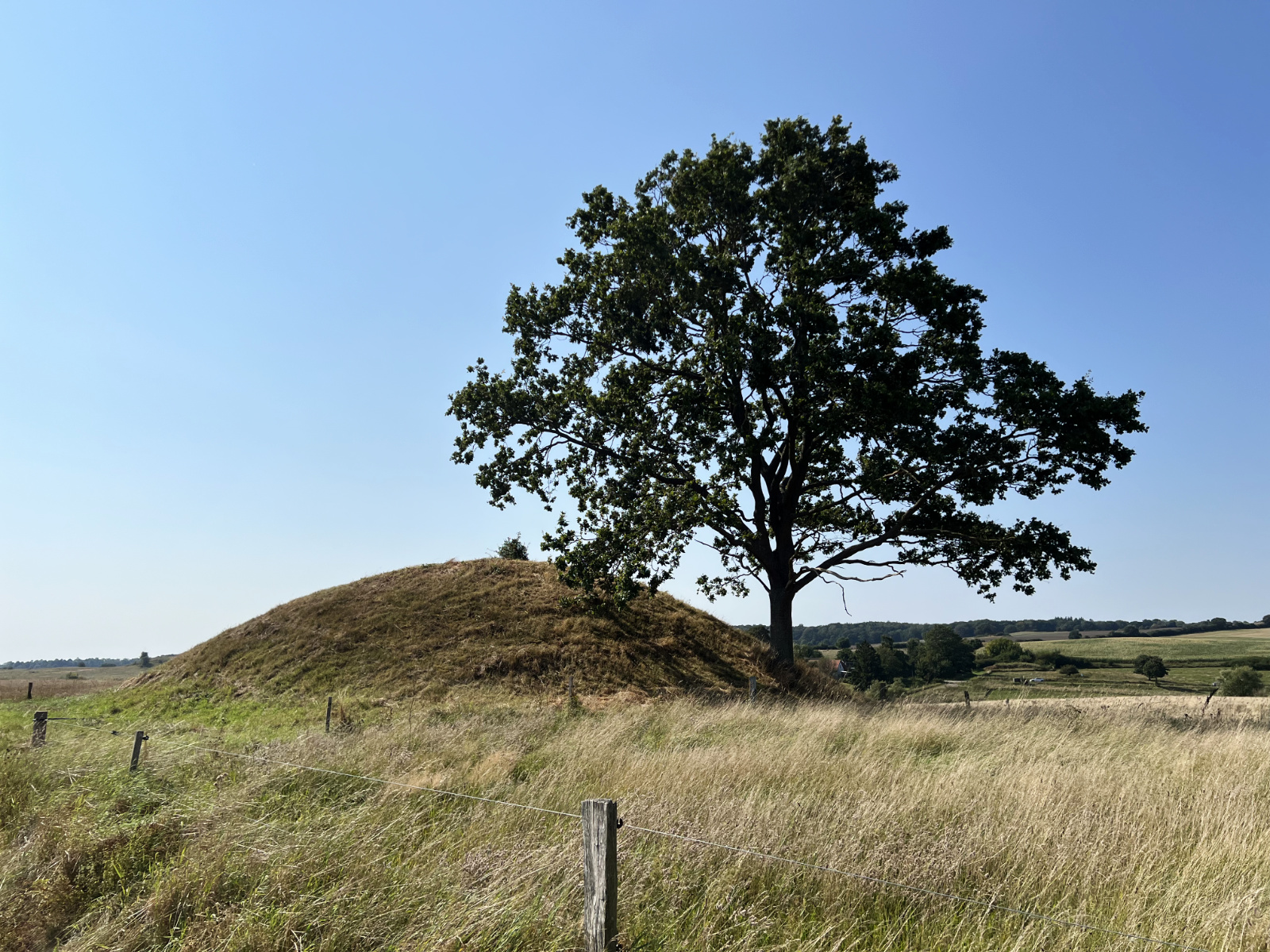
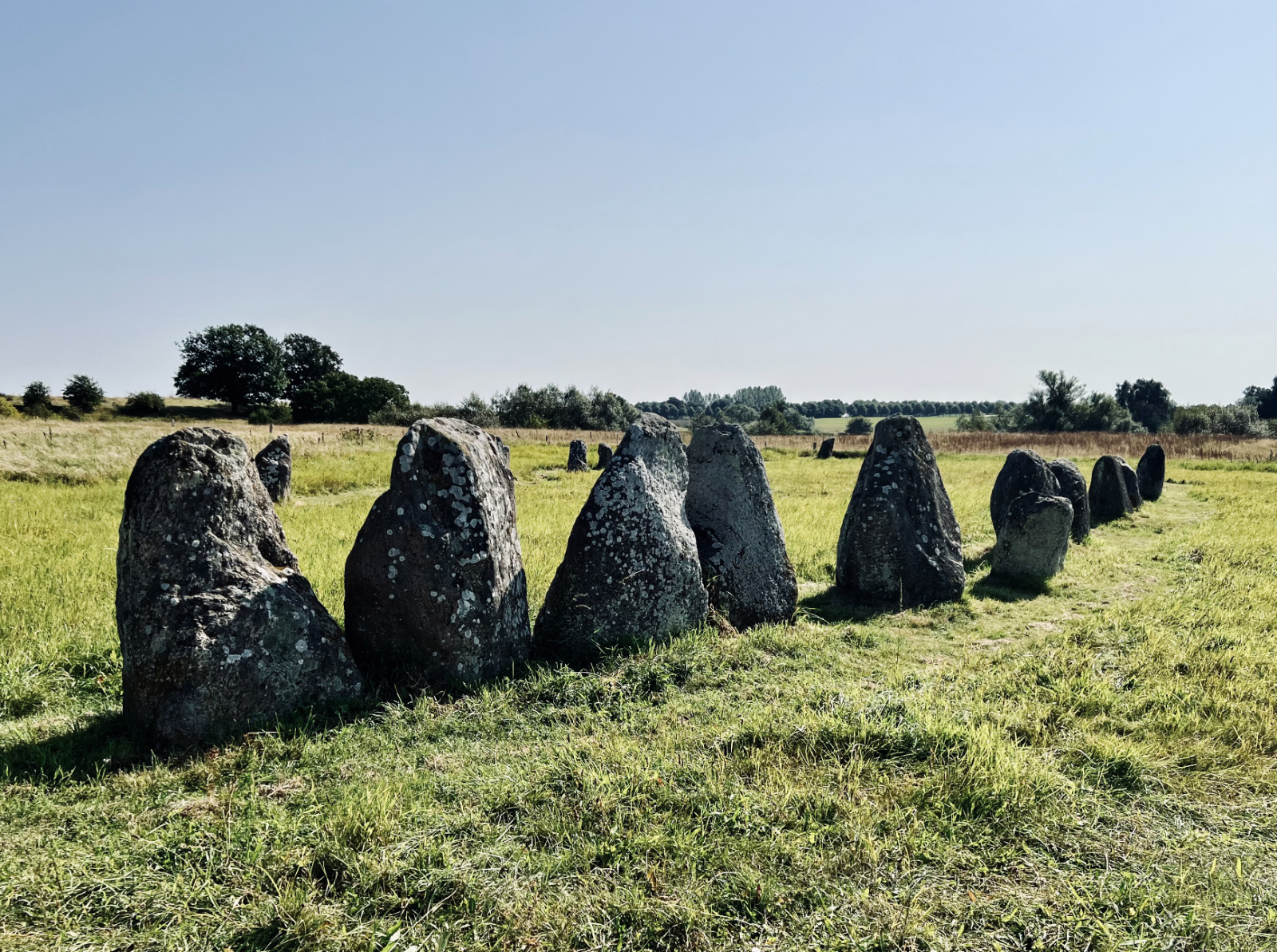
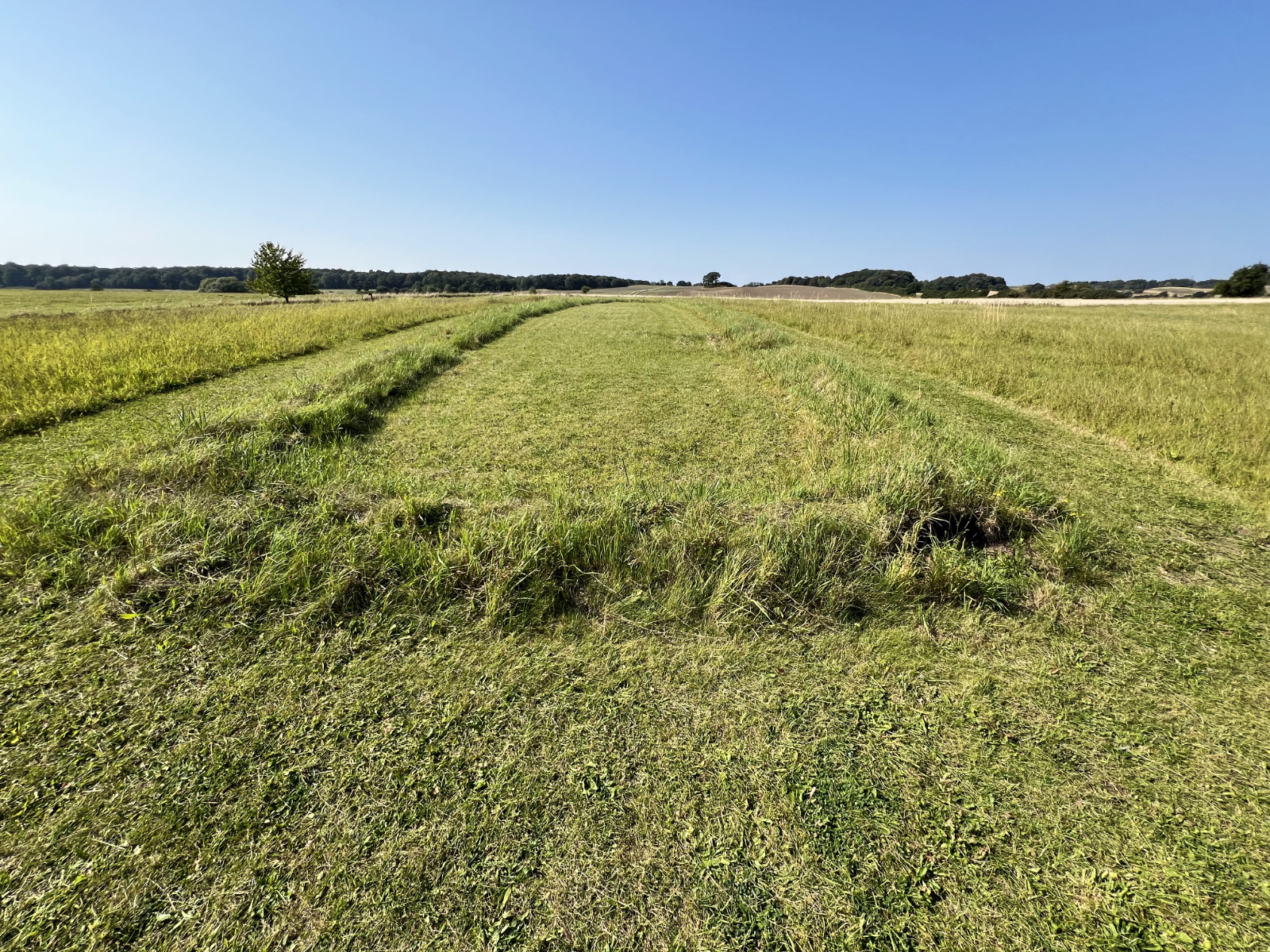
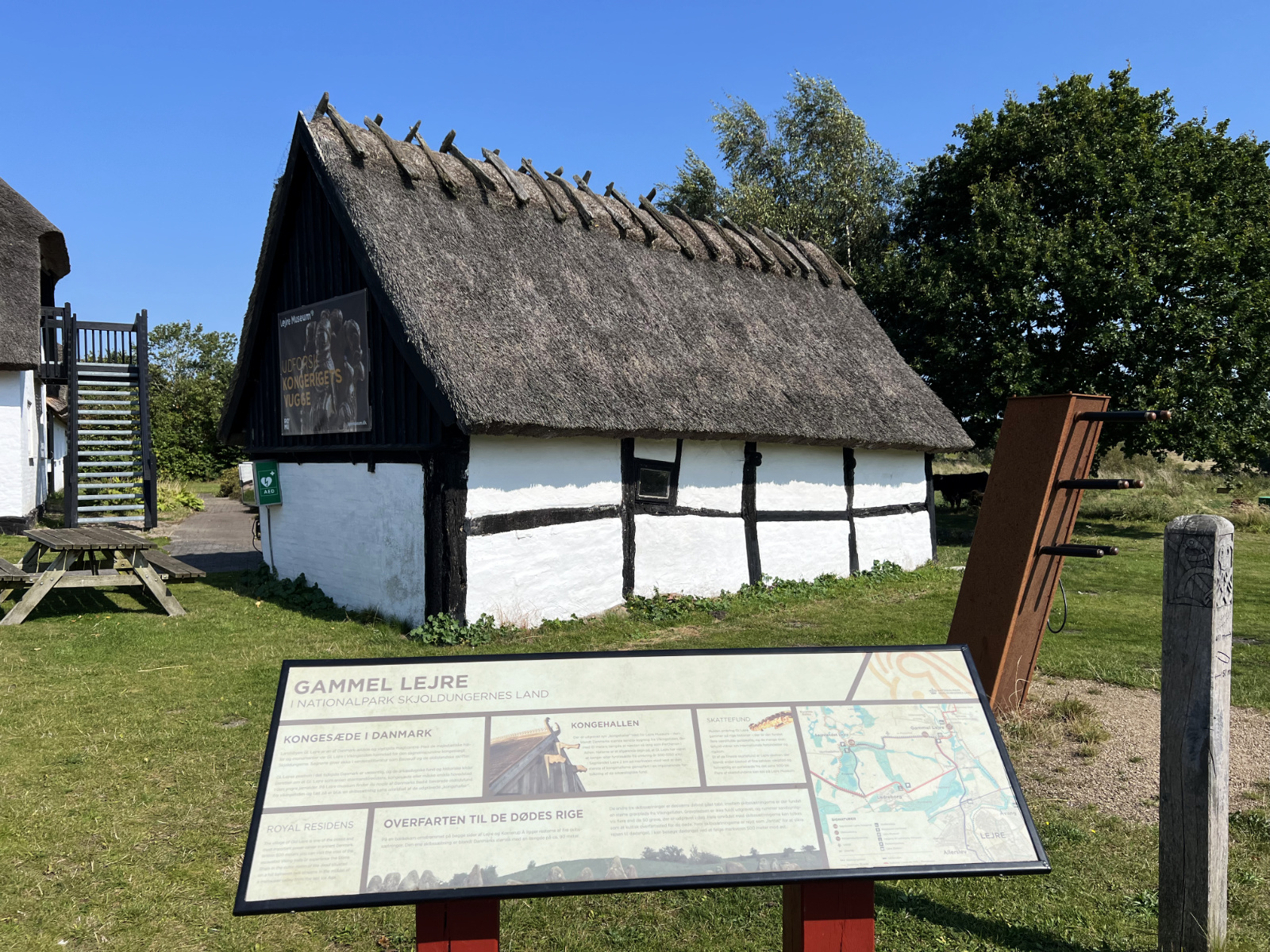
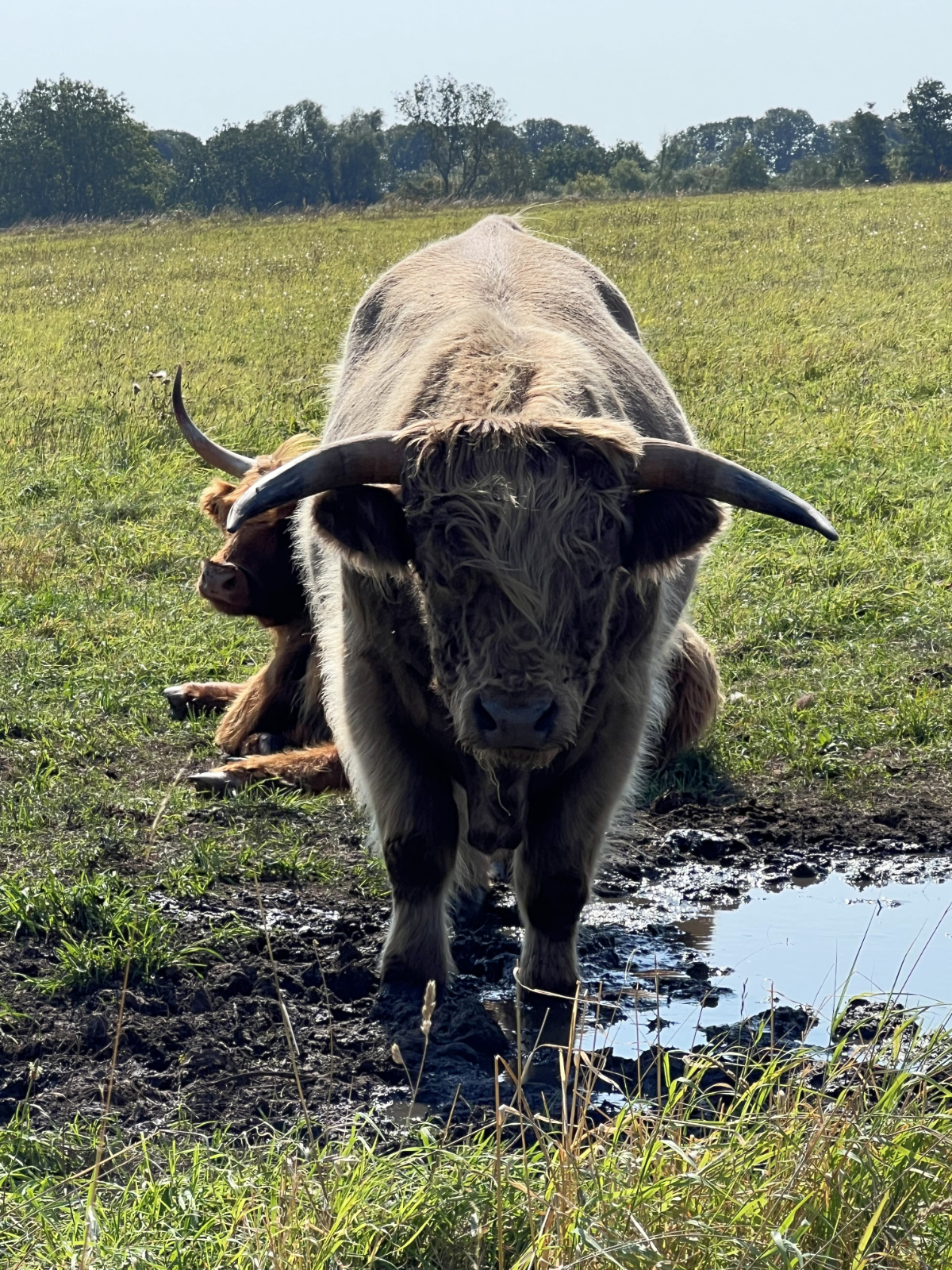
So anyway, while Lejre may suffer from the unfortunate deficiency of not being in southeast Sweden, it’s still very easy to forgive: it’s a spectacular place and combining a visit to its mounds and museum with an ice cold Carlsberg (or Tuborg or Mikkeller or To Øl or Nørrebro Bryg or whatever you prefer) upon returning to the big Danish city is a top notch experience. I imagine it gets even better if you can stay for longer and more thoroughly investigate other locales within the national park, too.
- And on rare occasions, places in non-southeastern Sweden, too. ↩︎
- It’s all legendary, of course. Scyld is the big dog in Beowulf, but perhaps he was preceded by a few others, including Dan himself. Scyld is Skjold in Danish, and you can find him and Dan both on the museum’s genealogical display sign pictured on this webpage. ↩︎
- See, I kept my promise from the first paragraph. But just like one of its professional sports teams, New England lost this round. ↩︎
Subscribe to get updates from Scandinavian Aggression!
You know, if you feel like it or whatever. Your email is only used to send updates when new nonsense has been posted to the site. It's stored in the secure abyss of WordPress and not shared anywhere or anyhow else. Skål som fan!